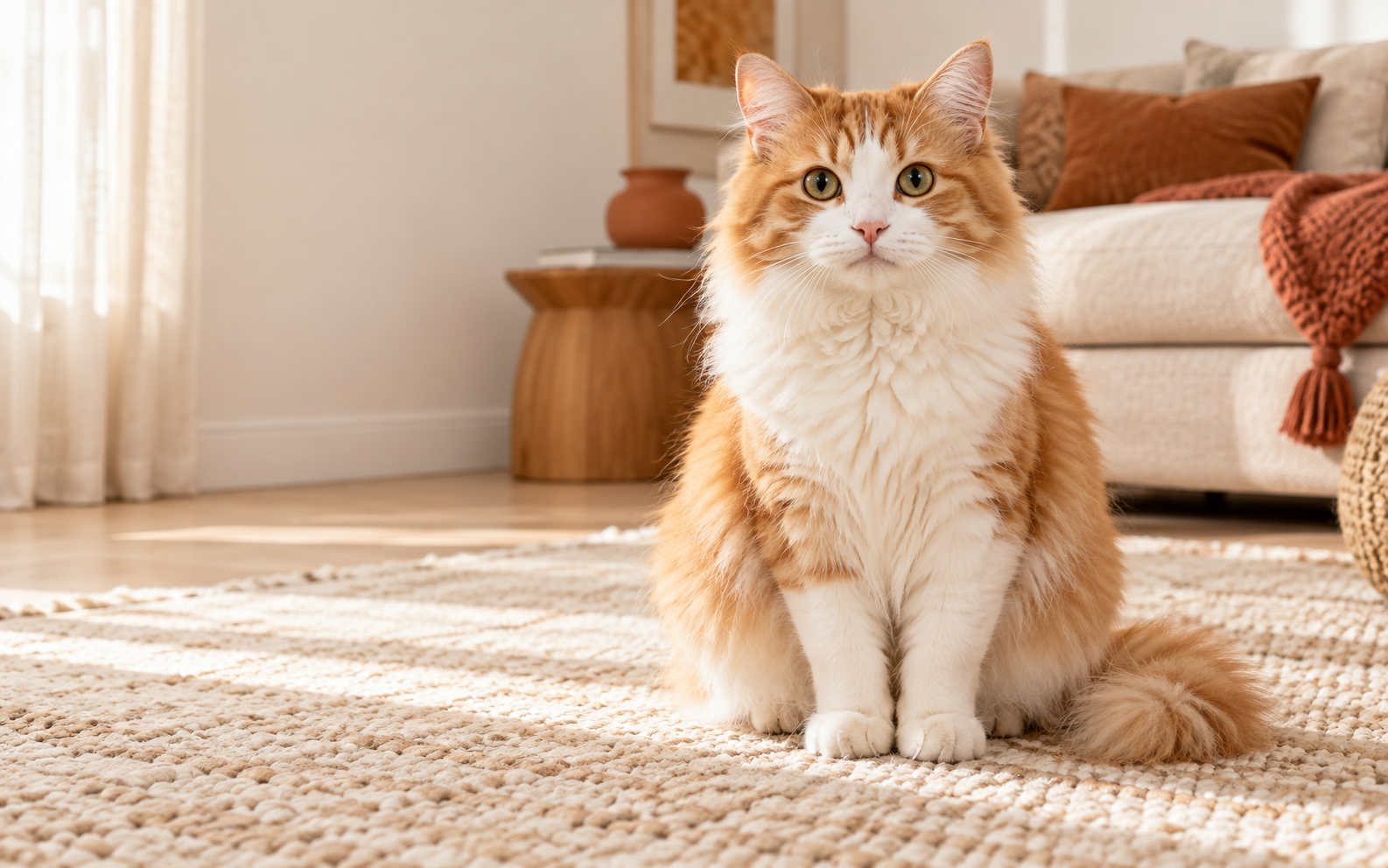
Air purifiers can be useful in homes where pet hair, dander, litter dust, outdoor particles, and everyday odors collect in a limited amount of space. In a small apartment or compact house, however, the purifier itself becomes part of the floor plan. It needs clear airflow, access for filter changes, a sensible noise level, and a routine that does not turn maintenance into another chore. The best setup is therefore not simply the largest machine that fits the budget. It is the unit that can run consistently in the room where it is needed without blocking walkways, disturbing sleep, or being forgotten when the filter needs attention.
This guide focuses on practical ownership rather than product rankings. It explains how to place, clean, store, and schedule an air purifier around pets and busy routines. An air purifier is not a substitute for veterinary care, source control, ventilation, or appropriate cleaning. If a person or pet has respiratory symptoms, follow professional medical or veterinary advice rather than relying on an appliance alone.
Start with the room you actually want to improve
Choose the room before choosing the machine. A bedroom, living room, litter area, or home office may all have different needs. Measure the usable floor space and identify where air can enter and leave the purifier without being blocked by a sofa, curtain, wall corner, pet bed, or storage basket. A purifier tucked tightly behind furniture may be quieter visually, but poor clearance can reduce practical airflow and make filter access frustrating.
Think about where the pet spends time as well. A purifier positioned beside a favorite sleeping spot may create a draft or fan noise that the animal avoids. In a studio apartment, a central location may be more practical than trying to hide the unit. The goal is not to chase every particle in the home. It is to improve conditions in a defined space where the machine can operate reliably.
Check airflow ratings without treating one number as magic
Manufacturers may publish room-size guidance, clean-air delivery information, airflow settings, or test results. Use those figures as comparison tools, but read the conditions behind them. A rating based on a high fan speed may not match the speed you are willing to run while sleeping or working. A very quiet low setting may move much less air than the maximum setting shown in marketing.
For a small home, a modestly oversized unit can sometimes allow operation at a lower, quieter speed, but physical size, energy use, and filter cost still matter. Compare the whole ownership picture. If the machine is so large that you keep moving it out of the way, or so noisy that you switch it off, theoretical capacity does not help.
Give the intake and outlet real breathing room
Most air purifiers need space around an intake grille and a clear path for cleaned air to leave the unit. Follow the manufacturer's clearance instructions rather than improvising. Do not cover the top with pet supplies, push fabric against the intake, or place the unit where a long-haired pet can sleep directly against a grille.
Vacuuming around the purifier is also easier when the area is accessible. In shedding seasons, hair may collect at the base, on a prefilter, or around intake slots. A few centimeters of extra working room can make weekly maintenance much faster. In very tight rooms, mark the purifier's normal position with a small furniture pad or floor reference so it is returned to the same safe clearance after cleaning.
Use the prefilter as the first maintenance checkpoint
Pet hair is visible, but finer particles are not. If the purifier includes a washable or vacuumable prefilter, inspect it on a routine that reflects the household rather than waiting for a warning light. A home with two shedding animals may load a prefilter faster than a home with one short-haired pet. Follow the manufacturer instructions on whether the prefilter may be washed, vacuumed, wiped, or only replaced.
Never wash a filter that is specified as dry-only. Moisture can damage filter media and create odor or microbial growth if the material is reinstalled damp. If a washable component is cleaned, let it dry completely before reassembly. Keep one small soft brush or vacuum attachment reserved for intake grilles if that makes maintenance easier.
Plan replacement filters before buying the purifier
The purchase price is only part of the cost. Check the exact replacement-filter model, expected service interval, current availability, and whether the unit requires separate carbon or specialty media. A low-cost purifier can become expensive if proprietary filters are difficult to find or need frequent replacement.
Store no more spare filters than you can keep clean and dry. Leave them sealed until needed and avoid damp closets, garages, or areas where litter dust can settle on the packaging. Write the installation date on the filter frame or in a phone note. A simple date record is more useful than trying to remember whether the last change happened three or six months ago.
Treat odor media as limited, not unlimited
Activated-carbon or other odor-control media can help with some household odors, but it does not remove the need to clean litter boxes, wash bedding, address accidents, or find the source of a persistent smell. Thin carbon sheets may have limited capacity compared with deeper media beds. Rather than expecting the purifier to mask every odor, use it as one part of a source-control routine.
If an unusual smell suddenly appears from the purifier itself, switch it off and inspect the unit. A dirty prefilter, contaminated filter, damp component, overheated motor, or foreign object should be addressed before continued use. Do not spray fragrance or cleaning chemicals into the intake.
Make noise part of the daily plan
Noise tolerance changes by room and time of day. A setting that is acceptable in the living room may be disruptive beside a bed. Test the unit at the speed you expect to use most often, not only at the quietest setting in a showroom. If the purifier has an automatic mode, observe whether sensor changes cause sudden fan surges that disturb sleep or startle the pet.
For busy households, a simple schedule can work better than constant adjustment: a moderate daytime setting, a quieter nighttime setting, and a higher setting during cleaning if appropriate. Avoid placing the purifier where vibration transfers into a hollow cabinet or lightweight floor surface. A stable, level position can reduce rattles.
Keep cords safe in pet traffic areas
Route the power cord so it does not cross a walking path or invite chewing. Do not run cords under rugs where damage can be hidden. If a pet chews electrical cords, use physical barriers and safer placement rather than relying on bitter sprays alone. Inspect the plug and cable during routine cleaning.
Unplug the purifier before opening panels or cleaning internal-access areas unless the manufacturer specifies otherwise. If the cord, plug, housing, fan, or controls are damaged, stop using the unit until it can be assessed or replaced.
Fit cleaning into a five-minute weekly reset
A practical weekly routine can be short: switch off and unplug the unit, vacuum the nearby floor, remove loose hair from the intake, inspect the prefilter, wipe the exterior with an appropriate dry or lightly damp cloth, and confirm that nothing blocks the outlet. The exact procedure should follow the manual.
Once a month, review the filter date, listen for new noises, and check whether the purifier has gradually been pushed into a worse location. In homes with litter dust or heavy shedding, visual checks may need to happen more often. A short, repeatable routine is more sustainable than an occasional deep clean after performance has already declined.
Use storage only when the unit is completely clean and dry
Some households use purifiers seasonally or move a unit between rooms. Before storage, remove surface dust, clean permitted components, and make sure every washable part is fully dry. Store the purifier upright if the manufacturer recommends it and protect the intake from dust without sealing dampness inside.
Do not stack heavy boxes on top of the unit. Keep the manual, spare filter information, and remote control together. When bringing the purifier back into service, inspect the filter and cord before turning it on. A machine that looked clean when stored may have collected dust or pests in an unprotected area.
Combine purification with source control
Air cleaning works best when the home also controls the sources of particles. Brush pets appropriately for their coat, wash bedding on a reasonable schedule, vacuum floors and upholstery, clean litter boxes, and address damp areas. Ventilation can also matter where outdoor conditions and building design allow it.
Do not use ozone-generating devices around people or pets unless a qualified professional specifically directs their use in an unoccupied environment. For ordinary household use, choose equipment designed for occupied spaces and follow current safety instructions from the manufacturer.
A small-home decision checklist
Before buying or relocating a purifier, confirm that you know the room, the available footprint, the required clearance, the real operating noise, the replacement-filter cost, and the cleaning routine. Make sure the cord can be routed safely and the filter can be removed without moving large furniture. If the machine uses an app, decide whether the core functions still work when the phone or network is unavailable.
After installation, judge the setup by behavior rather than appearance. Is the purifier actually left running? Can you reach the prefilter? Does the pet avoid the area? Are filter changes happening on time? A compact, accessible purifier that fits the routine is more useful than a powerful model that becomes an obstacle.
Final takeaway
For small homes with pets, successful air-purifier ownership is mostly about consistency. Choose a unit that fits the room, leave its airflow path clear, maintain the prefilter, budget for replacement media, and build cleaning into an ordinary weekly reset. Keep expectations realistic: the purifier can support a cleaner-feeling environment, but it cannot replace litter hygiene, surface cleaning, ventilation, or professional care when a health concern is present. A simple setup that stays in use is the one most likely to deliver value over time.
Editorial reference points
Product specifications, prices and policies can change. Verify current manufacturer documentation before purchasing, and use a veterinarian or qualified species professional when a health or welfare concern is involved.
Compare the next decision or return to the complete 290-guide library.