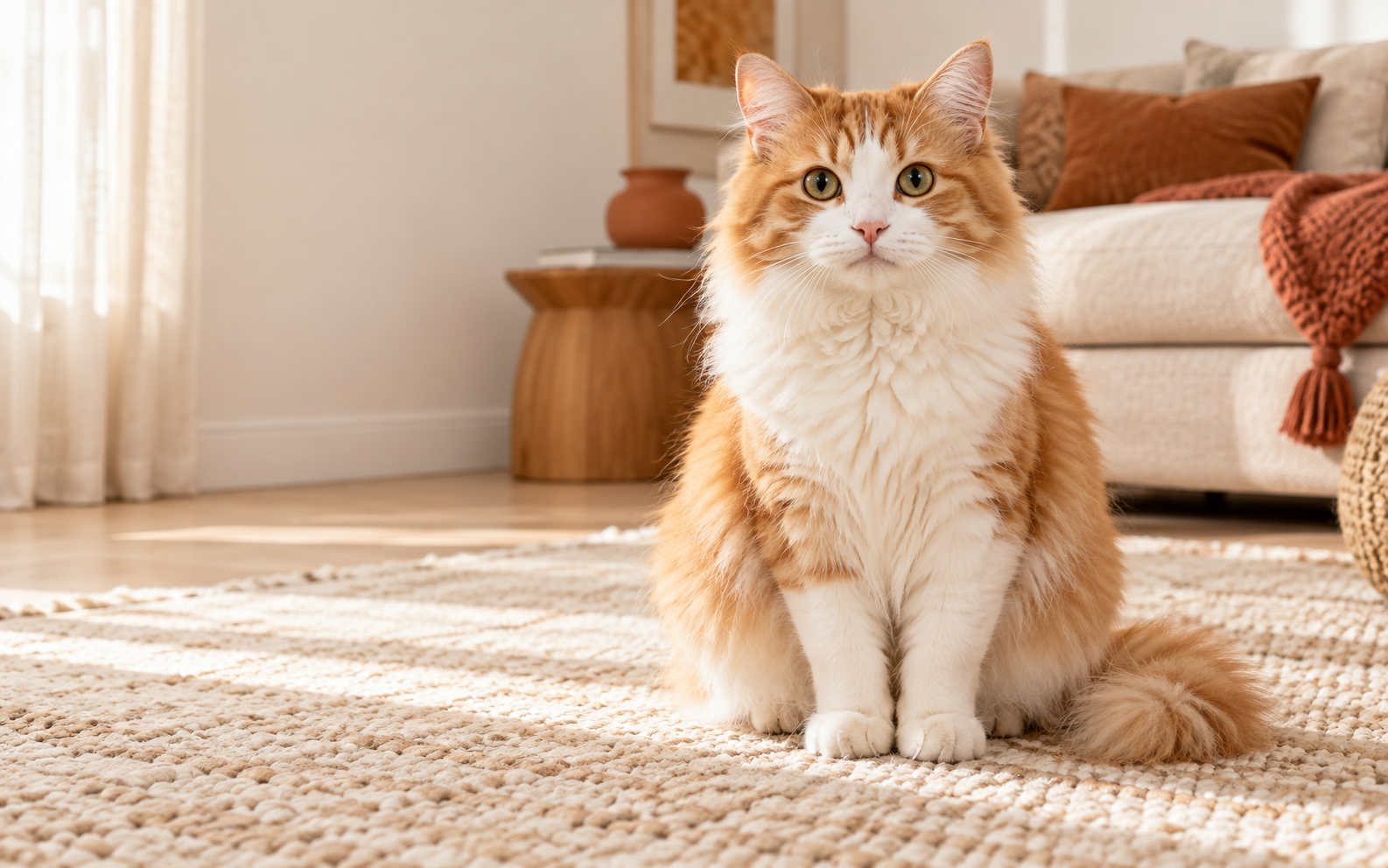
The easiest fountain to live with is usually the one you can take apart and clean without a struggle. Flow settings and app features matter less if the pump cavity collects residue or replacement filters are difficult to identify. Start with your cat's current drinking arrangement and the work you are willing to do. A fountain is an optional drinking station; keep a familiar bowl available while your cat decides whether to use it.
Look inside before choosing a size
Ask to see the disassembled parts, not only the assembled product. Can you reach the reservoir corners, spout and impeller compartment? A wide opening makes inspection easier. Check whether the pump cover opens without a tool and whether the instructions show the cleaning sequence. A large reservoir reduces refilling but does not remove the need to replace water and clean surfaces. Compare the water level at which the pump must be switched off with the advertised total capacity.
Match the drinking surface to your cat
Some cats approach a shallow pool; others investigate a stream. Look for a surface that remains accessible without the cat leaning against the housing. Consider where the cat will stand and whether another pet could block the approach. Place the fountain on a stable surface away from litter, then let the cat investigate at its own pace. Do not push the cat's face toward running water or remove other water sources to force acceptance.
Separate normal water noise from pump trouble
Listen at the location where you intend to use it. Water falling into a basin and a motor vibrating against the shell are different sounds. Check the manual for the minimum fill level, correct pump seating and air-removal instructions. A quiet demonstration with a full tank does not establish how it will sound near the refill point. Stop using a pump that smells hot, has damaged wiring or continues to make an abnormal noise after the prescribed checks.
Budget for the parts you will replace
Find the exact filter and pump part numbers before buying. Compare the cost of a normal replacement pack rather than an introductory bundle. A washable housing is useful only if its electrical base is kept out of water as instructed. Check which parts are dishwasher-safe individually: a metal drinking plate does not make the entire fountain dishwasher-safe. Keep the manual with your cleaning supplies so another caregiver can reassemble it correctly.
Run a simple trial at home
During the first few days, check for leaks, damp flooring, displaced lids and comfortable use. Record whether the cat actually drinks rather than judging acceptance from curiosity alone. Unplug the fountain before servicing it. If your cat consistently avoids it, a well-placed bowl may be the better option. A fountain does not prove that a cat is getting enough fluid, and a change in drinking or urination deserves veterinary advice rather than another gadget.
Sources and scope
This guide offers practical selection and setup checks. It does not claim hands-on testing of named products. Follow the exact product manual for installation and care; consult a veterinarian about changes in your pet’s health or behavior.