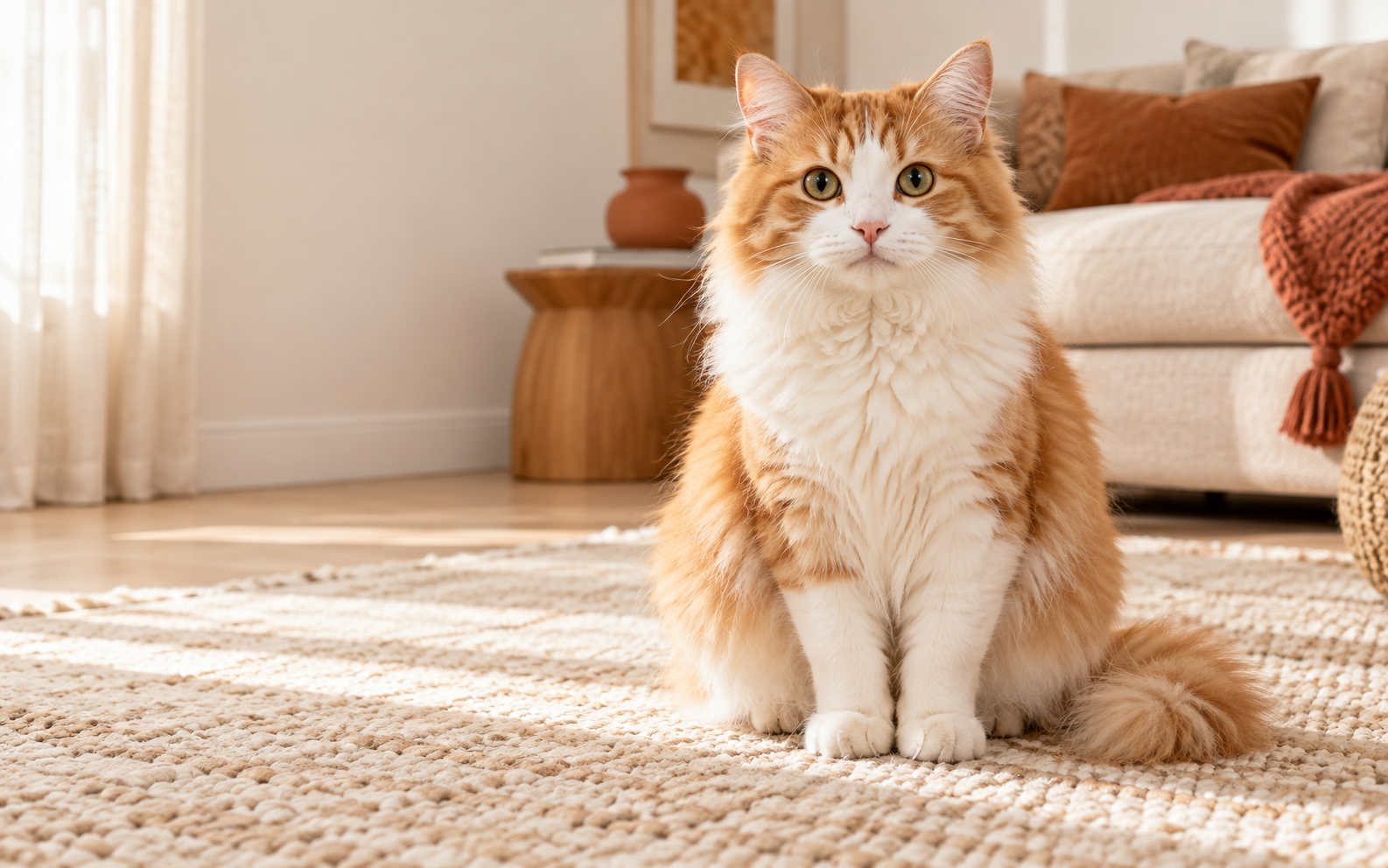
Washable rugs are convenient in pet homes only when they are washed in a way that protects the backing, keeps odor from setting, and actually fits the household machine. Pet hair, urine, mud, and food stains require different first steps. A regular vacuum-and-spot-clean routine reduces how often the whole rug needs a wash, which can extend the life of printed surfaces, edge binding, and non-slip coatings.
Check the care label before the first accident
Know the maximum water temperature, detergent type, dryer setting, and whether bleach or fabric softener is prohibited. Take a photo of the label in case it fades. Large “machine washable” rugs may still be too heavy for a small washer once wet.
Vacuum both sides
Remove dry hair, litter, sand, and crumbs before adding water. Vacuum the top slowly in overlapping passes, then lift the rug and clean the underside. Grit trapped below can scratch flooring and work into the backing.
Use a rubber brush for embedded hair
Short pet hair can cling to low-pile fibers. A damp rubber brush or squeegee-style tool can gather hair before washing. Test an inconspicuous area first so the tool does not pull loops.
Blot fresh urine immediately
Press clean absorbent towels into the spot without scrubbing. Work from the edge toward the center to limit spreading. If the rug sits on a hard floor, lift it and dry the floor underneath as well.
Use enzyme cleaner only when compatible
An enzyme product can help break down urine residue, but it must be safe for the rug’s dyes and backing. Follow the label and perform a colorfastness test. More product is not better; excess liquid can saturate the backing.
Remove solid mess first
Pick up feces or vomit with paper towels or a dedicated scraper before applying liquid cleaner. Blot remaining moisture. Avoid rubbing solids deeper into textured fibers.
Pre-treat food stains
Remove crumbs and oily residue promptly. Use the rug maker’s approved stain treatment and allow only the stated dwell time. Strong degreasers can discolor printed designs.
Check washer capacity
A rug that fits physically may still exceed the machine’s load rating when wet. Overloading prevents proper rinsing and stresses the washer. Large rugs may need a commercial machine or professional cleaning.
Wash the rug alone when recommended
Heavy rugs can tangle with clothing, and pet hair can transfer to other laundry. Follow the care label. Shake the rug outside before loading to reduce hair in the machine.
Use measured detergent
Too much detergent leaves residue that attracts dirt and can irritate paws. Use a low-sudsing product and the amount appropriate to the load. Skip fabric softener unless the manufacturer explicitly permits it, because it can affect absorbency or backing.
Choose the correct cycle
Gentle cycles reduce stress on binding and layered constructions. Hot water may shrink or damage backing. Match the temperature and spin speed to the label.
Inspect after washing
Before drying, check whether the stain and odor are actually gone. Heat can make some residues harder to remove. If the rug still smells of urine, repeat the appropriate treatment before using a dryer.
Dry completely
Air-drying is safest for many rubber-backed rugs, while others permit low tumble heat. Make sure the center and backing are dry, not just the surface. A damp rug placed under furniture can develop mildew or damage flooring.
Protect non-slip backing
High heat, bleach, and repeated folding can crack rubber or latex-style backing. If pieces begin shedding, the rug may no longer grip reliably. Replace a rug that slides despite a clean dry floor.
Use mats at the dirtiest zones
A small washable mat under food bowls or by the entrance can protect a larger decorative rug. It is easier to wash a feeding mat twice a week than a room-sized rug.
Keep nails and claws maintained
Long dog nails can catch loose loops, and cats may treat certain textures as scratching surfaces. Trim nails appropriately and repair or retire a rug with long pulled threads that could tangle around toes.
Use an extra rinse when residue remains
If the rug feels stiff or smells strongly of detergent after washing, run an additional rinse if the care instructions allow. Detergent residue attracts soil and may irritate pets that lie directly on the surface.
Do not wash damaged backing aggressively
Once rubber or latex begins cracking, repeated machine cycles can accelerate shedding. Small areas may indicate the rug is near the end of its life. Vacuum loose backing from the floor and replace the rug before pieces spread through the home.
Manage repeated accident locations
If a pet repeatedly urinates on the same rug, cleaning alone is not enough. Arrange veterinary evaluation for new urinary behavior and review litter access, house training, anxiety, or other causes as appropriate. Temporarily removing the rug can also break a scent-based habit while the issue is addressed.
Store seasonal rugs correctly
Wash and dry a rug completely before rolling it for storage. Rolling is generally gentler on backing than making sharp folds. Store in a dry area away from rodents and moisture, and avoid sealing any residual dampness inside plastic.
Check flooring finish
Some rubber backings can react with certain floor finishes over long periods. Follow the flooring maker’s advice and lift rugs regularly. A thin breathable rug pad may be useful when compatible with both surfaces.
Machine hygiene
After washing a heavily soiled pet rug, wipe hair from the door seal and run the washer’s cleaning cycle if recommended by the appliance manufacturer. This prevents hair and odor from transferring to the next load.
Check edges after every wash
Binding can shrink or twist before the center of the rug shows wear. Lay the rug flat and inspect the perimeter. Curling corners that remain raised after drying create a trip hazard and may catch a pet’s nail.
Inspect all layers before the rug returns
Check the rug’s underside, any separate pad and the floor finish after washing. Do not replace a clean top layer over trapped moisture or contaminated backing. Confirm that corners lie flat and doors still move freely. Keep the care-label photograph with the laundry instructions so another person can check capacity and drying requirements. A rug that develops persistent curling or shedding backing needs a replacement decision, not another wash cycle.
Sources and scope
This guide offers practical selection and setup checks. It does not claim hands-on testing of named products. Follow the exact product manual for installation and care; consult a veterinarian about changes in your pet’s health or behavior.