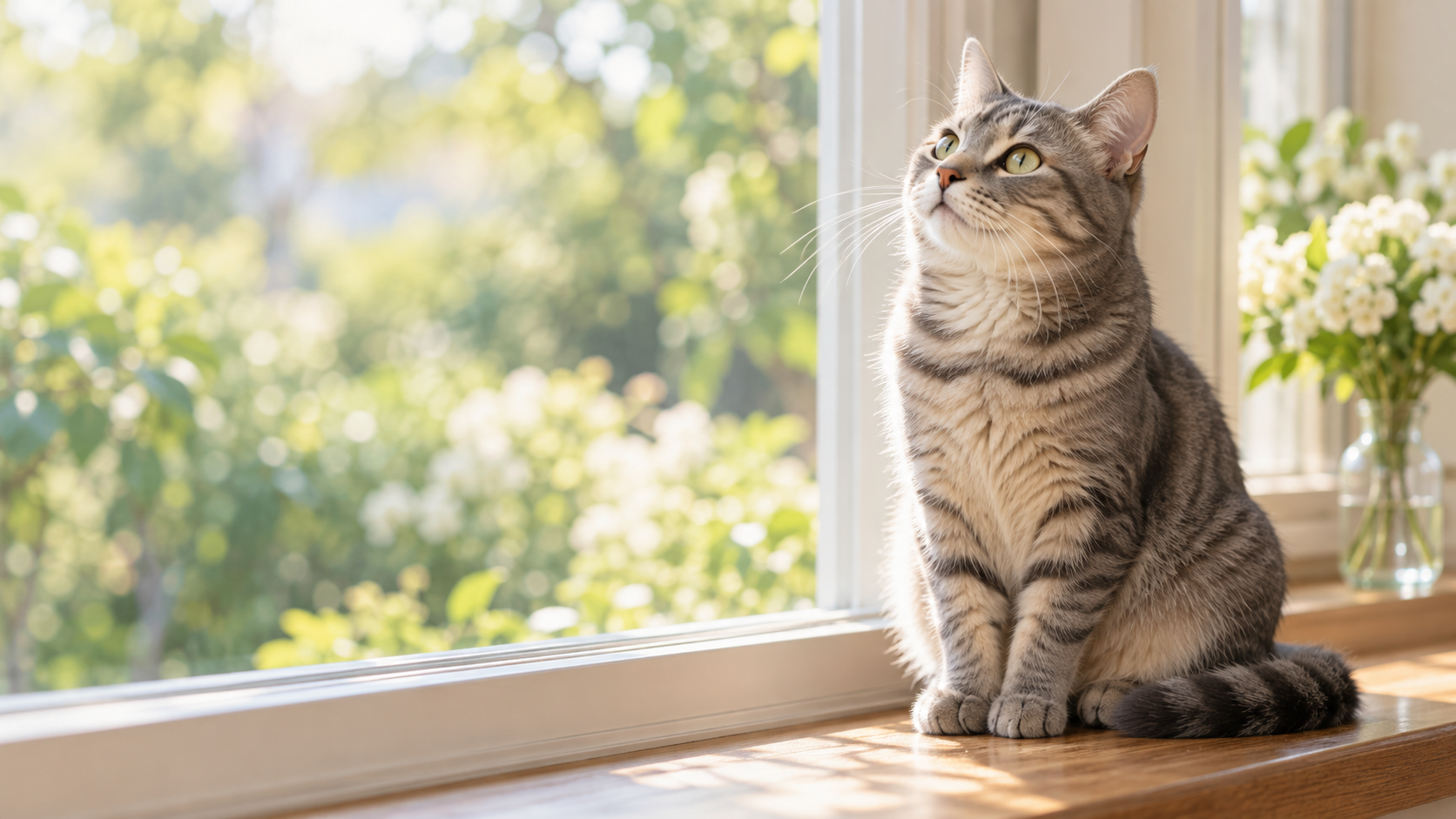
Troubleshoot orientation, placement and stability before replacing a scratching surface the cat ignores or avoids.
1. Choosing the opposite scratching direction
Observe whether the cat prefers vertical stretching, horizontal scratching or an angle. Offer an appropriate orientation near the relevant activity. A tall post may be well made yet solve the wrong task for that cat.
2. Measuring decorative height as usable space
Look for uninterrupted scratching area and room for the stance. Platforms or ornaments can reduce useful stretch space. Compare the actual contact surface rather than the largest dimension on the listing.
3. Accepting a rocking base
Inspect assembly and placement while the cat is elsewhere. Follow mounting requirements and remove unstable equipment from use. A favored texture cannot compensate for a structure that moves unpredictably under ordinary scratching.
4. Hiding the new post away from the activity
Place an acceptable option where the cat can encounter it naturally. Observe use before making another purchase. A remote unused corner may suit the decor while missing the location that matters to the animal.
5. Removing every familiar option at once
Keep an acceptable established surface while introducing a replacement when practical. This makes the transition easier to evaluate. A complete change in texture and location can create uncertainty about why the new item is ignored.
6. Confusing normal wear with dangerous damage
Some surface wear is expected, but exposed staples, loose loops and failed joints require action. Inspect the structure beneath fabric. Replace or repair only as appropriate to the construction and approved instructions.
7. Perfuming instead of maintaining
Avoid using fragrance to cover dirt or make a post more attractive. Clean by the material’s permitted method and let it dry. If contamination cannot be removed appropriately, consider replacement of the affected surface.
Change orientation or location deliberately
Choose one observed mismatch and adjust it while keeping an acceptable scratching option. Watch actual use during ordinary activity. This helps distinguish an ignored position from an unsuitable texture or unstable base. If several features change at once, the next purchase may repeat the same guess rather than follow useful information.
Sources and scope
This guide offers practical selection and setup checks. It does not claim hands-on testing of named products. Follow the exact product manual for installation and care; consult a veterinarian about changes in your pet’s health or behavior.
Compare relevant options on Amazon
Affiliate disclosure: As an Amazon Associate I earn from qualifying purchases.
These links open category searches, not individual product recommendations or verified deals. Check each result’s exact model, instructions and seller terms.