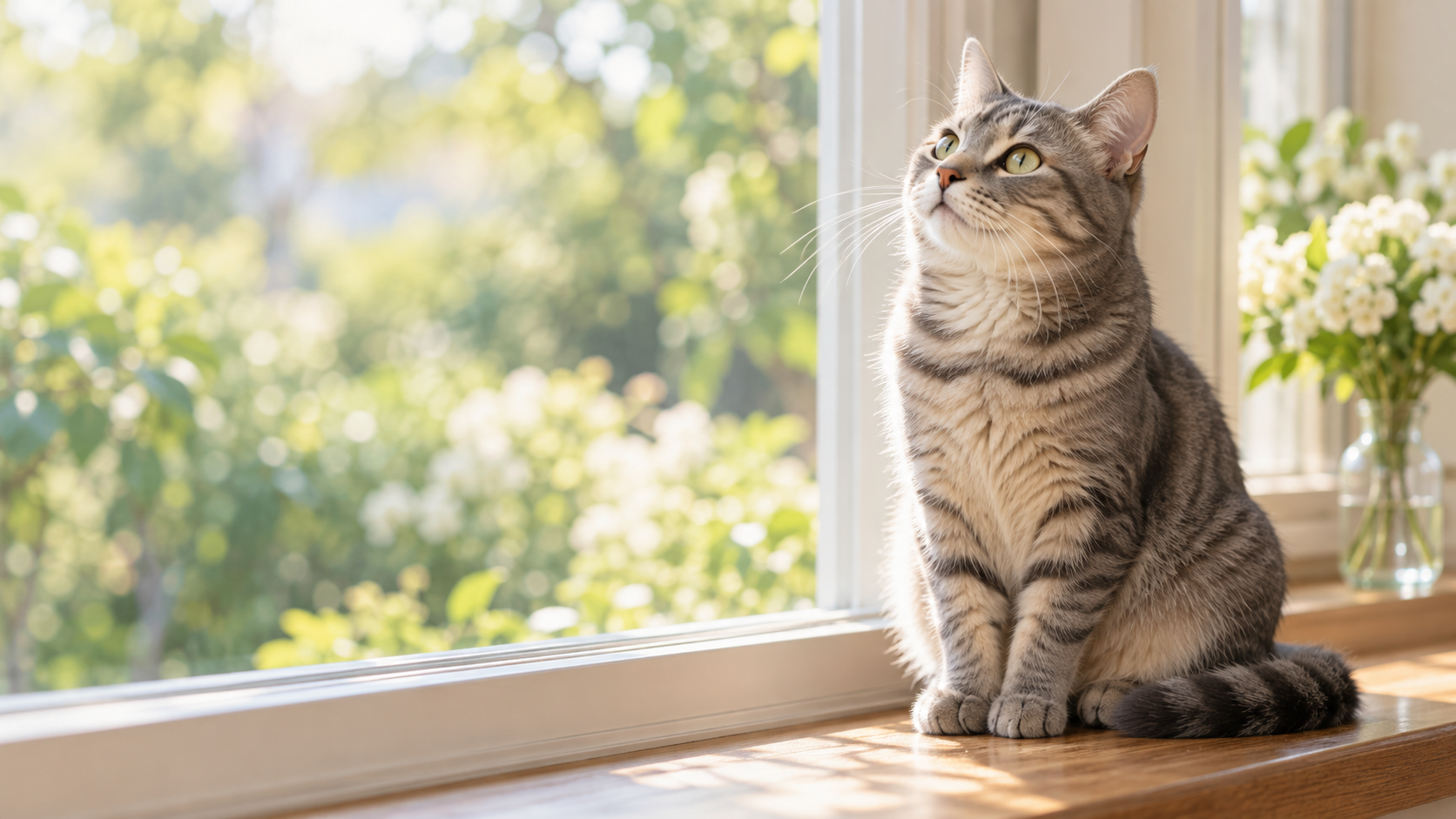
Keep a kitten’s setup manageable by checking essential access, growth and the way supplies are introduced and maintained.
1. Buying optional gadgets before the essentials
Prepare appropriate transport, food, water, litter and resting arrangements first. Observe how those work before expanding the kit. A room full of accessories can conceal a basic access or cleaning problem.
2. Changing food and equipment together
Ask about the previous routine and keep care instructions clear. Multiple simultaneous changes make reactions difficult to interpret. Discuss dietary transitions with an appropriate professional when needed rather than letting a new feeder dictate the meal plan.
3. Choosing equipment only for future size
A large carrier or high-entry box may be inconvenient for current use. Compare usable access now and plan reassessment as the kitten grows. Long-term value should not require the animal to struggle with essential equipment today.
4. Leaving every toy available
Inspect strings, attachments and small pieces. Store supervised-play equipment after the session and remove damaged items. A large assortment is not helpful if caregivers cannot identify which toys need observation.
5. Combining feeding and waste tools
Keep scoops, cloths and brushes assigned to appropriate tasks. Make the distinction obvious to everyone helping. Cleaning a bowl with equipment normally used around litter defeats the purpose of an otherwise orderly routine.
6. Forgetting the space behind furniture
Inspect accessible gaps, cables and loose household objects before arrival and after rearranging. Storage boxes can create new routes into awkward spaces. A kitten-proofed room needs reassessment as the animal’s reach and activity change.
7. Replacing everything after one difficult day
Observe what is actually failing before shopping again. Change one practical feature and keep the essentials accessible. Persistent changes in eating, toileting or behavior need veterinary advice rather than a sequence of new products.
Pause optional shopping for one observation cycle
Once the essentials are suitable, record actual cleaning, access and play difficulties over normal use. Prioritize the repeated problem rather than buying another starter bundle. Keep health concerns separate and seek veterinary advice when appropriate. The result should be a small care system that improves with observations, not a room that becomes more crowded each day.
Sources and scope
This guide offers practical selection and setup checks. It does not claim hands-on testing of named products. Follow the exact product manual for installation and care; consult a veterinarian about changes in your pet’s health or behavior.
Compare relevant options on Amazon
Affiliate disclosure: As an Amazon Associate I earn from qualifying purchases.
These links open category searches, not individual product recommendations or verified deals. Check each result’s exact model, instructions and seller terms.