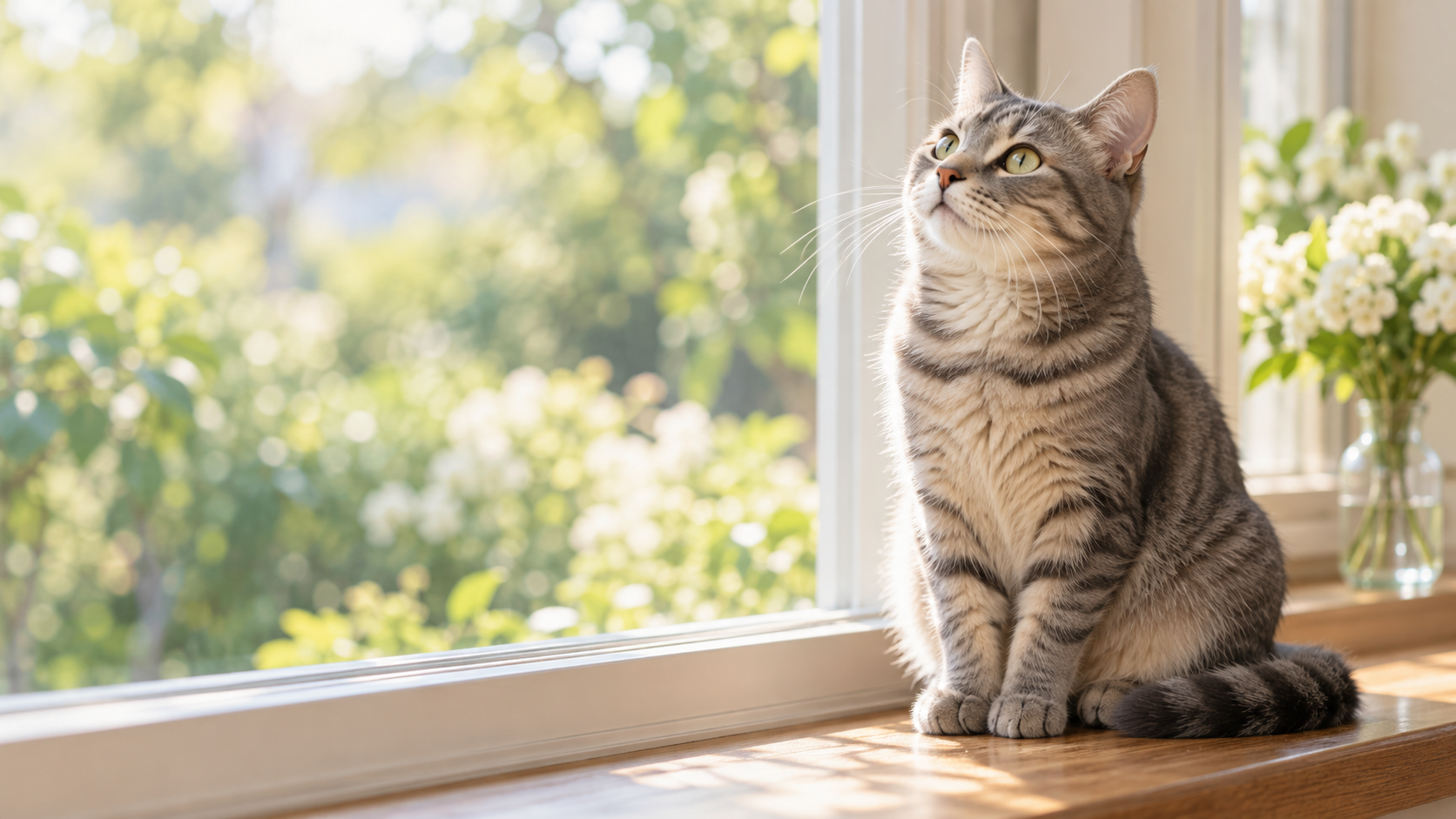
A kitten needs fewer products than pet-store aisles suggest. In a small home, the best starter setup covers safety, food, water, litter, sleep, transport, scratching, and play without filling every room with duplicate accessories. Buy the essentials first, learn the kitten’s preferences, then add items gradually. The most important “supplies” are also routines: veterinary care, supervised exploration, daily play, and a home that has been checked for cords, plants, windows, and small objects.
Carrier
Buy a secure carrier before the first veterinary visit. A hard carrier with a removable top is easy to clean and can simplify handling, while a structured soft carrier is easier to store. Make sure the kitten can stand and turn, with enough room for some growth.
Leave the carrier open with a blanket inside so it becomes ordinary furniture rather than a signal of stressful travel.
Litter boxes
A small, low-entry box helps young kittens climb in easily. If the home has more than one floor, place a box where the kitten does not need to navigate stairs immediately after waking. In multi-cat homes, provide enough boxes in separate locations to reduce competition.
Use an unscented litter appropriate for the kitten’s age and follow veterinary guidance if you are unsure about clumping products for very young kittens.
Litter scoop and mat
A simple scoop and washable mat keep the litter zone manageable. Choose a mat the kitten cannot easily chew or pull apart. Scoop at least daily so you can notice changes in urine and stool.
Food
Use a complete and balanced kitten food appropriate for growth. If the kitten arrives eating a particular diet, change gradually rather than switching everything on the first day. Ask your veterinarian about feeding amounts, meal frequency, and when to transition to adult food.
Food bowls
Shallow stainless-steel or ceramic bowls are easy to clean and let you see leftover food. Avoid keeping wet food at room temperature for long periods. Wash bowls after meals.
Water
Provide fresh water in a stable bowl, ideally away from the litter box. Some kittens later enjoy a fountain, but a fountain is not necessary on day one. A plain bowl makes it easy to confirm the kitten is drinking.
Bed and resting spots
A soft washable bed is useful, but kittens often choose boxes, blankets, chairs, or shelves. One or two comfortable locations are enough initially. Keep sleeping areas away from cold drafts and high traffic.
Scratching post
Offer a stable vertical post tall enough for a full stretch and, if possible, a horizontal cardboard scratcher. Place one near the sleeping area or furniture the kitten starts to target. Reward use rather than punishing scratching, which is normal behavior.
Interactive toys
Wand toys, small balls too large to swallow, and lightweight chase toys support daily play. Put wand strings away after the session. Rotate a few toys instead of leaving dozens on the floor.
Solo toys
Choose simple toys without loose feathers, strings, or detachable bells when the kitten will be unsupervised. Inspect them often because young cats chew and pull more vigorously than many adults.
Cat tree or vertical perch
In a small apartment, vertical territory adds usable space without taking much floor area. Start with a stable medium-height tree or secured window perch rather than the tallest tower available. The kitten should have safe landing points and no access to an unprotected open window.
Grooming brush
Introduce gentle brushing while the kitten is young. Short-haired cats may need only occasional brushing, while long-haired kittens benefit from more regular combing. Keep sessions brief and positive.
Cleaning supplies
Keep a pet-appropriate enzyme cleaner for urine or vomit accidents, absorbent towels, and a washable cloth. Store every cleaning chemical in a closed cabinet away from food and curious paws.
Identification
Discuss microchipping with your veterinarian and keep contact details current. If the kitten wears a collar, choose a properly fitted breakaway design intended for cats. Check fit as the kitten grows.
Kitten-proofing matters more than gadgets
Secure cords, blind strings, open windows, toxic plants, medications, cleaning products, thread, hair ties, needles, and small objects. Close gaps behind appliances where a kitten could become trapped. Check reclining furniture and laundry machines before use.
Veterinary essentials
Schedule a veterinary examination soon after adoption. Bring vaccination and deworming records if available. The veterinarian can advise on parasite control, vaccination schedule, diet, spay or neuter timing, and any breed- or history-specific concerns.
Blind cords and strings
Secure looped blind cords high and out of reach. Put sewing thread, dental floss, ribbon, and hair ties in closed drawers. Linear foreign bodies can cause serious intestinal injury if swallowed, so “small harmless household string” deserves the same attention as a pet toy.
Keep hands out of rough play
Use toys rather than fingers as prey. A tiny kitten biting hands may seem cute, but the same habit is painful in an adult cat. Redirect grabbing and kicking toward a kicker toy or wand.
Use a first-week shopping pause
After the essentials are ready, wait before buying more toys, towers or automated equipment. Note which resting areas the kitten chooses, how the litter setup works and what is awkward to clean. Spend the next part of the budget on those observed needs. Keep receipts for uncertain sizes and inspect every new item before supervised use. A calm, manageable room gives you a better starting point than introducing every accessory on the first evening.
Sources and scope
This guide offers practical selection and setup checks. It does not claim hands-on testing of named products. Follow the exact product manual for installation and care; consult a veterinarian about changes in your pet’s health or behavior.