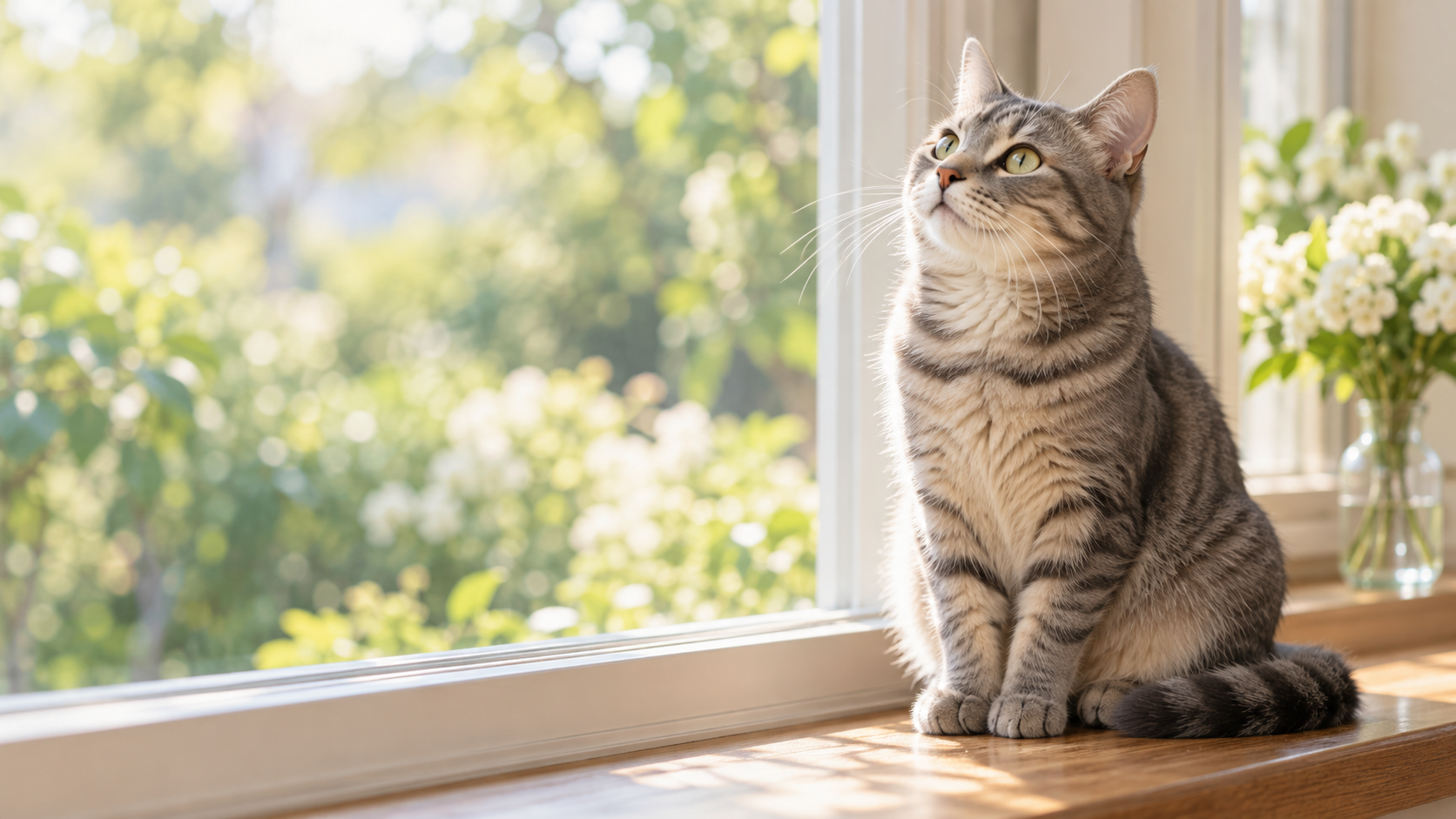
A useful retreat offers choice and reduced disturbance. It does not need to be an expensive bed, and no particular enclosure can guarantee that a cat will feel calm.
Start with a location the cat accepts
Look for existing resting preferences and a quiet area away from heavy foot traffic. A simple safe box or open bed may be enough. Keep the approach and exit clear. In a multi-pet home, watch whether another animal waits outside and effectively blocks access.
Preserve familiar cues
Use clean familiar bedding when appropriate and keep daily care predictable. Introduce one major setup change at a time where possible. Do not repeatedly move the retreat to make the cat use it. Offer options without forcing the animal inside or shutting it into an unsuitable enclosure.
Set a rule for people
Ask household members and visitors to leave the cat alone when it chooses the retreat. Children need a clear explanation that reaching inside or pulling the cat out defeats the purpose. Keep loud equipment and other disturbances away when practical. A quiet-looking corner beside a frequently used appliance may not be quiet in daily life.
Observe beyond the hiding place
Notice eating, drinking, toileting and willingness to move around, as well as where the cat sleeps. New persistent hiding or other marked changes deserve veterinary advice. A retreat is part of the environment, not a diagnosis or treatment. Adjust the location based on observed access and comfort rather than adding more accessories immediately.
Sources and scope
This guide offers practical selection and setup checks. It does not claim hands-on testing of named products. Follow the exact product manual for installation and care; consult a veterinarian about changes in your pet’s health or behavior.