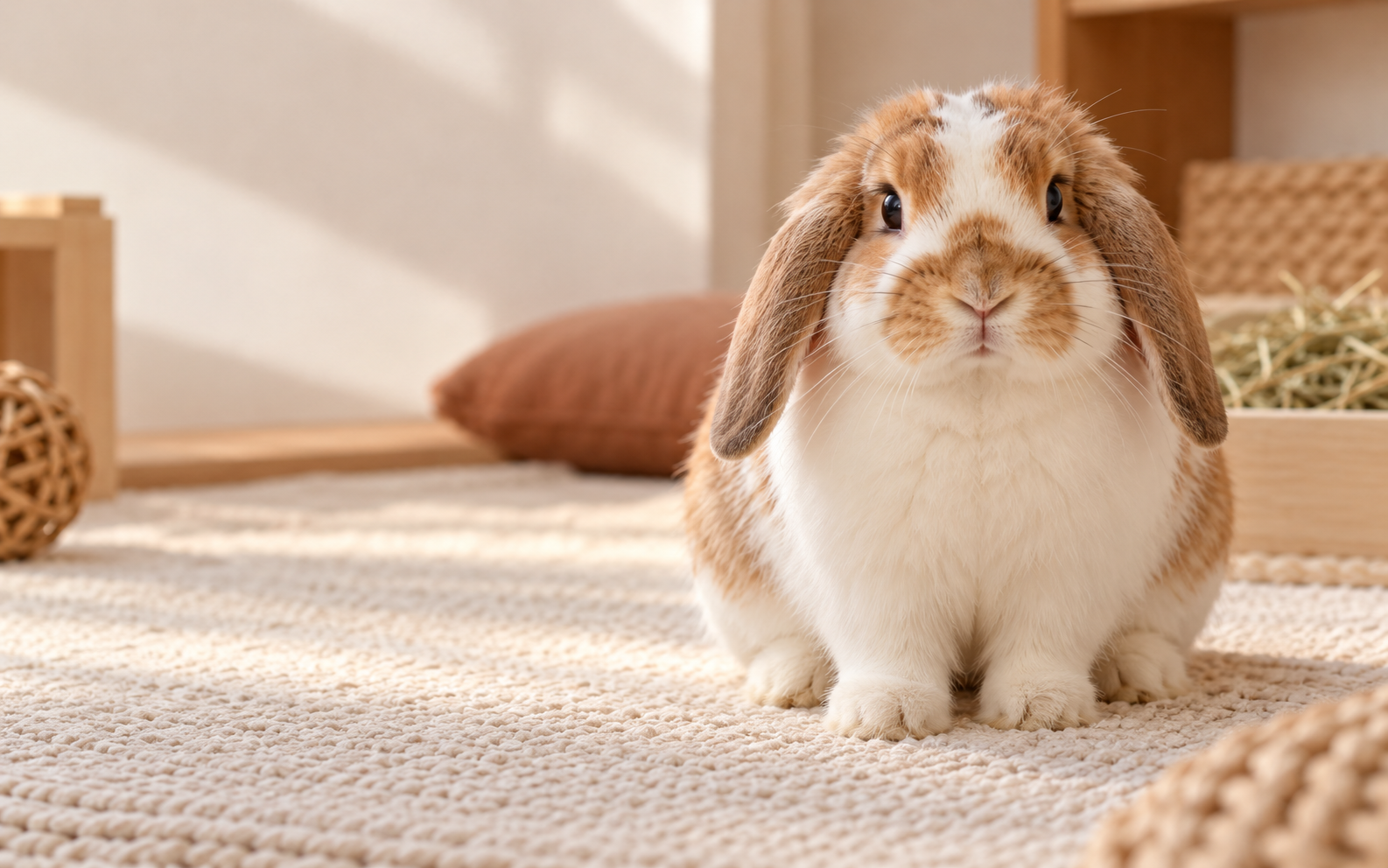
For chinchillas, dust bathing is part of normal coat care, but the container and bathing dust still need to be chosen and used carefully. A useful setup gives the animal enough room to roll, keeps dust reasonably contained, and can be removed and cleaned after the session. It should not turn the enclosure into a permanently dusty environment. Product rankings matter less than particle type, bath size, stability, ventilation, and a routine that suits the individual chinchilla.
Why chinchillas use dust instead of water
Chinchilla fur is extremely dense. Routine water bathing is generally avoided because the coat can be difficult to dry thoroughly. A proper dust bath helps absorb oil and moisture from the fur while allowing the rolling behavior chinchillas naturally perform. This does not mean any fine powder is appropriate. Use a dust product intended for chinchillas and follow veterinary or manufacturer guidance.
If the coat looks abnormal, the skin is irritated, or the animal is scratching excessively, do not simply increase bathing frequency. A health problem needs veterinary assessment rather than more dust.
Choose the right bathing material
Look for a product specifically marketed for chinchilla dust bathing rather than sand intended for unrelated species or craft use. Very coarse material may not work through the coat well, while excessively fine airborne powder can make the surrounding area difficult to manage. Avoid scented products unless a veterinarian has specifically recommended them.
Keep the dust dry and stored in a sealed container. Once it becomes damp, heavily soiled, or contaminated with urine or feces, replace it.
Bath size and entry opening
The bath should be large enough for a chinchilla to enter, turn, and roll without being wedged against the walls. At the same time, an enormous open tray can throw dust across the room. Covered bath houses can contain some mess, but the opening must be wide enough for easy entry and exit.
Watch the animal use the bath. If it repeatedly bumps the sides, cannot complete a roll, or hesitates because the entrance is narrow, the container is probably too small or awkwardly shaped.
Stability matters
Chinchillas can move vigorously when rolling. A lightweight container with a narrow base may tip, slide, or bang against enclosure furniture. A broad base and low center of gravity are useful. Glass or ceramic containers can be stable but are heavy and must be inspected for chips or cracks. Plastic is lighter but should be checked for chewing damage and scratched surfaces.
Whatever the material, place the bath on a level surface where it cannot fall from a shelf.
Covered versus open designs
Covered baths reduce flying dust and can make cleanup easier in a small room. Open trays are easier to inspect and wipe but allow more material to escape. Neither design is automatically better. Choose based on enclosure space, the chinchilla’s comfort, and how easily you can clean the container.
A covered bath still needs adequate air exchange. Do not use a sealed container or anything that traps the animal inside.
How much dust to add
A deep container of dust is unnecessary. The chinchilla needs enough material to work through the coat while rolling, not a box filled to the rim. Start with the amount recommended for the product and container, then observe whether the animal can use it normally without excessive waste.
Adding more dust does not compensate for infrequent cleaning. Remove debris after each use and replace material when it is no longer clean and dry.
Bathing frequency and session length
There is no single schedule that suits every climate, enclosure, and animal. Many owners offer dust baths for limited sessions rather than leaving the bath in the cage continuously. Permanent access can encourage over-bathing, soiling, or use of the bath as a toilet. Ask an experienced exotic-animal veterinarian for advice if you are unsure about frequency for your chinchilla.
Humidity, coat condition, and individual behavior may change what works best. The coat should look healthy, not excessively dry or greasy.
Placement in a small home
Dust travels. In an apartment or bedroom setup, place the bath where nearby electronics, food preparation areas, and fabrics are less likely to collect powder. A washable mat beneath the enclosure can simplify cleanup. Good room ventilation helps, but avoid strong drafts directly on the animal.
If household members have respiratory sensitivities, discuss the setup with a medical professional and consider whether the cage location should change.
Cleaning the bath container
After the session, remove the bath from the enclosure. Sift or discard used dust as appropriate, wipe away residue, and wash the container when needed with a method safe for the material. Rinse thoroughly and let it dry completely before adding fresh dust. Moisture trapped in a closed bath defeats the purpose of keeping the bathing material dry.
What to avoid
Avoid sharp edges, unstable containers, cracked glass or ceramic, heavily chewed plastic, perfumed powders, and materials not intended for chinchillas. Do not place a bath on a high platform where energetic rolling could push it off. Do not assume more frequent bathing will fix matting, skin lesions, or hair loss.
A practical buying checklist
Before buying, measure the floor or shelf area available. Check the bath’s external dimensions and entry opening. Decide whether dust containment or easiest cleaning matters more in your room. Confirm the material can tolerate your cleaning routine. Finally, make sure replacement dust is easy to obtain so the container does not sit unused because the correct material is unavailable.
How to introduce a new bath
Place the new container on a stable surface and allow the chinchilla to investigate it during a normal bathing period. If the design is enclosed, make sure the entrance is obvious and large enough that the animal does not have to squeeze through. Some chinchillas use a new bath immediately; others need a little time. Avoid pushing or trapping the animal inside, because a dust bath should remain a voluntary grooming activity.
Managing dust around the enclosure
A small amount of escaped dust is normal, but a heavy coating over shelves, food bowls, and room surfaces may mean the container is too open, overfilled, or poorly placed. Move food and water away from the bathing area during the session if necessary and wipe nearby surfaces afterward. A handheld vacuum can help with room cleanup, but do not operate loud equipment close to the chinchilla while it is bathing if the noise causes stress.
Storage between sessions
If you remove the bath between uses, store it in a dry location. Keep clean bathing dust in its original package or another suitable sealed container so humidity and household debris do not contaminate it. Label the container clearly if you have other small pets, because bathing materials intended for different species are not automatically interchangeable.
When to ask an exotic veterinarian
Seek professional advice if the chinchilla develops hair loss, skin redness, persistent scratching, matting that does not improve, breathing difficulty around dust, or a sudden change in grooming behavior. The right bath can support normal coat care, but it cannot diagnose or treat skin disease, dental pain, respiratory problems, or other medical causes of coat changes.
Observe the coat after bathing
A normal session should leave the coat looking clean and plush without visible irritation. If dust clings in damp clumps, the bath material or room humidity may need attention. If the coat becomes unusually dry, the chinchilla scratches more, or the skin looks red, stop adjusting the routine by guesswork and consult an exotic-animal veterinarian. Changes in coat quality can be linked to environment, nutrition, dental disease, skin conditions, or other health issues.
One bath per chinchilla?
In compatible pairs or groups, shared equipment may be practical, but hygiene and social behavior still matter. Watch for guarding or one animal preventing another from using the bath. If one chinchilla is ill or being treated for a contagious condition, ask the veterinarian whether equipment should be separated or disinfected in a particular way. Do not assume normal sharing rules apply during illness.
Room humidity affects the whole routine
Dust bathing works best in a dry environment. If the room is persistently humid, the bathing material can clump and the coat may not dry or separate normally. A household hygrometer can help you notice seasonal changes, but enclosure humidity should be considered together with temperature, ventilation, and the animal’s health. Chinchillas are sensitive to heat, so never try to “dry out” a room by making it warmer.
If humidity is difficult to control, ask an exotic-animal veterinarian about safe environmental ranges and management rather than simply extending bath time. More dust is not a substitute for a suitable room environment.
Final takeaway
A good chinchilla dust bath is spacious enough for a full roll, stable during vigorous movement, easy to clean, and paired with dust made for chinchillas. Use it as part of a limited, observable care routine rather than a permanent cage accessory, and seek veterinary advice when coat or skin changes suggest a problem beyond normal grooming.
Editorial reference points
- Association of Exotic Mammal Veterinarians — owner resources
- Association of Reptile and Amphibian Veterinarians
Product specifications, prices and policies can change. Verify current manufacturer documentation before purchasing, and use a veterinarian or qualified species professional when a health or welfare concern is involved.
Compare the next decision or return to the complete 290-guide library.