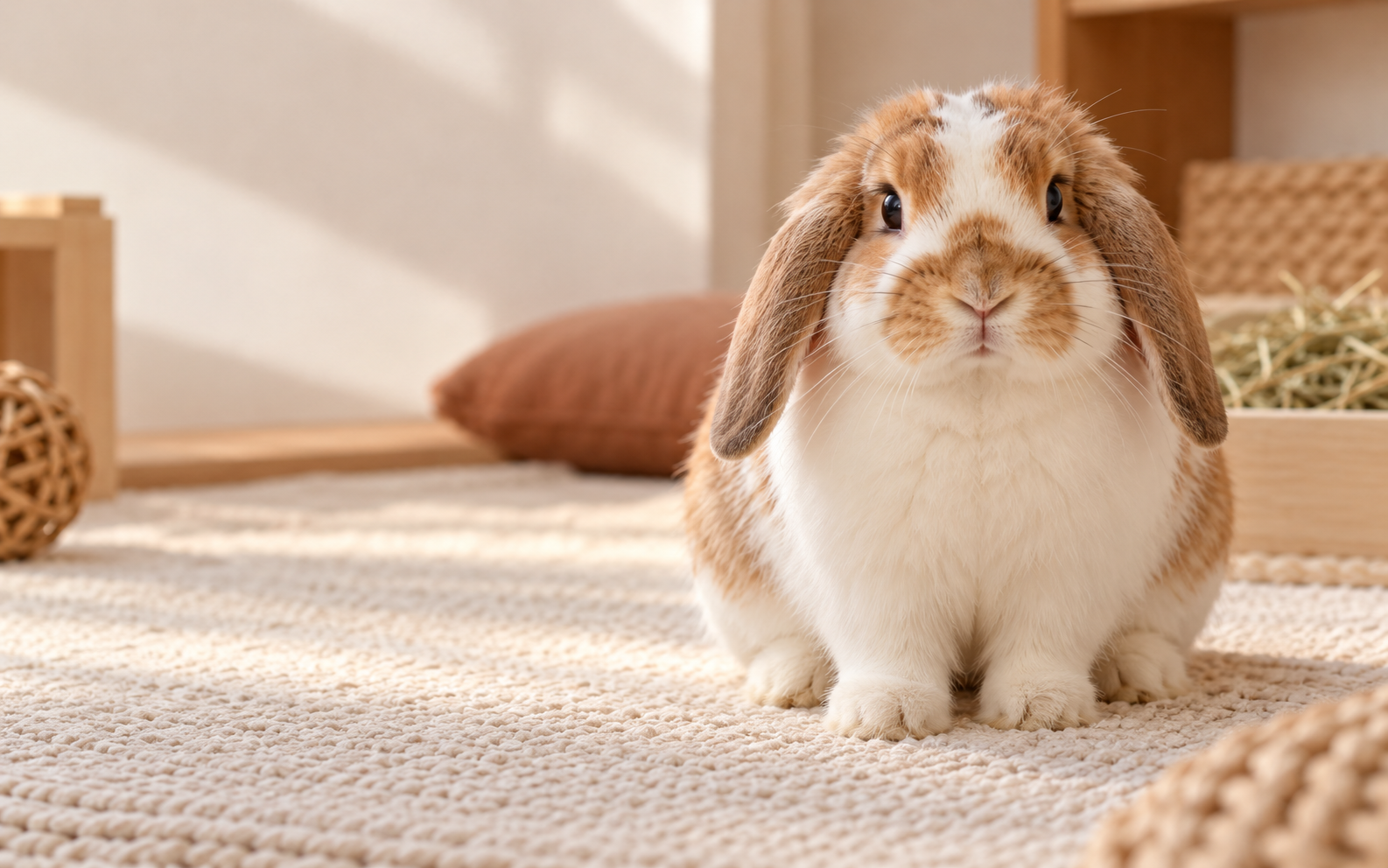
A hamster home should be designed around digging, nesting, running, foraging, and hiding. The animal may be small, but a tiny “starter cage” rarely provides enough floor area or bedding depth for normal behavior. A practical setup uses a secure enclosure with deep substrate, a correctly sized wheel, a sand bath, multiple hides, and simple enrichment. The goal is not to fill every inch with accessories; it is to create a stable environment where the hamster can choose how to use the space.
Choose the enclosure before the accessories
Start with the largest secure floor area you can manage. Current welfare recommendations vary by country and organization, so check up-to-date guidance for your hamster species rather than relying on old pet-shop minimums. A larger footprint makes it easier to provide deep bedding, a proper wheel, and separate zones without crowding.
Glass tanks, purpose-built enclosures, and large bin-style habitats can all work when ventilation, lid security, and material safety are addressed properly.
Ventilation matters
A secure mesh lid or well-designed ventilation panel allows air exchange while preventing escape. Avoid tiny fully enclosed plastic habitats with only a few small holes. Poor ventilation can trap humidity and odors.
At the same time, do not place the enclosure directly in a strong draft. Stable room conditions are better than constant airflow from an open window or air-conditioning vent.
Deep bedding is a core feature
Hamsters are burrowers. Provide a deep area of low-dust, unscented substrate that can hold tunnels. Paper bedding is common, and some owners mix it with suitable aspen or layer hay for structure. Gently compressing the bedding can help tunnels remain open.
Heavy items should not sit directly on deep substrate because the hamster may dig underneath them.
Support heavy objects from the base
Wheels, water bowls, ceramic hides, and sand baths can collapse into a burrow if placed on loose bedding. Use platforms or legs that reach the enclosure floor. The hamster can then tunnel around the supports without carrying the weight of the object overhead.
Check platforms regularly for chewing or loosened fasteners.
Wheel size and design
A wheel should allow the hamster to run with the back in a natural, relatively straight position. Tiny wheels force excessive curvature. Solid running surfaces are safer than open wire rungs, which can catch feet.
The wheel should spin smoothly, stay upright, and remain accessible after the hamster rearranges bedding. Species and individual size affect the diameter needed, so choose from current welfare guidance rather than packaging age labels.
Provide a sand bath
Hamsters use sand for grooming, and many also choose it as a toilet. Use a suitable hamster-safe sand without added fragrance, calcium, or excessive fine dust. A container with a broad entrance makes access easy.
Remove soiled sand and refill as needed. Sand is a supplement to the enclosure, not a replacement for deep burrowing substrate.
Hides and nesting areas
Offer at least one dark enclosed hide and ideally several choices. Multi-chamber houses can mimic connected burrow rooms and give the hamster places to sleep and store food. Cardboard boxes are inexpensive enrichment and can be replaced easily when chewed.
Avoid heavy hides resting loosely on deep bedding; support them from the base if necessary.
Nesting material
Plain unscented toilet tissue or paper nesting material is simple and safe for many hamsters. Tear it into strips and let the hamster carry it into the nest. Avoid long fluffy fibers that can wrap around limbs or cause problems if swallowed.
The hamster should decide how to arrange the nest rather than having a tightly packed nest built for it.
Food and foraging
A nutritionally appropriate hamster diet should form the basis of feeding. Scatter part of the dry ration through clean bedding to encourage foraging, while keeping track of how much food is offered. Small portions of appropriate fresh foods can be given according to species-specific dietary guidance.
Check hidden caches for wet or spoiled food during cleaning.
Water
Both bottles and stable bowls are used successfully. A bottle should release water freely without constant leaking. A bowl should be heavy enough not to tip and placed on a stable platform away from deep bedding.
Whichever method you choose, check water every day. A full bottle is not useful if the nozzle is blocked.
Chewing and enrichment
Cardboard tubes, cork, safe branches, tunnels, and scattered food create more meaningful activity than a cage packed with brightly colored plastic. Rotate items so the environment changes gradually without destroying the hamster’s established nest every week.
Check all materials for sharp edges, staples, glue, or coatings that are not suitable for small animals.
Avoid dangerous climbing heights
Hamsters are not precise climbers, and many have poor depth perception. Tall cages with exposed shelves can create fall risks. If a platform is used, keep the height modest and provide deep bedding below rather than a hard landing surface.
Wire climbing cages designed around height usually offer less useful habitat than a broad floor with deep substrate.
Where to place the enclosure
Choose a quiet indoor location away from direct sunlight, radiators, speakers, smoke, aerosols, and kitchen fumes. Hamsters are often active at night, so a bedroom placement may be noisy for the person and disruptive for the hamster if lights remain on late.
Stable temperature and a regular day-night cycle support normal behavior.
Other pets
Cats and dogs may stare at, paw, or knock an enclosure. Even when they cannot reach the hamster, persistent predatory attention can be stressful. Place the habitat on a secure surface and use a lid the other pet cannot dislodge.
Do not allow direct introductions between a hamster and a predator species.
Cleaning without erasing the whole scent map
Spot-clean wet areas and remove spoiled food regularly. Full substrate changes should be guided by hygiene rather than a rigid weekly rule. When a larger clean is needed, retain a small amount of clean old bedding to preserve familiar scent.
Constantly replacing every bit of bedding can be stressful and wastes substrate.
Daily health checks
Observe eating, drinking, movement, eyes, nose, coat, and droppings. A hamster that stops eating, becomes unusually inactive, has diarrhea, struggles to breathe, or develops a swelling needs veterinary attention promptly.
Because hamsters can hide illness, small changes in routine are worth noticing.
Species differences matter
Syrian hamsters are larger and generally live alone, while dwarf species have different body size and equipment needs. Social housing recommendations can also differ by species and welfare authority, so do not assume advice for one hamster transfers to another. When in doubt, use species-specific guidance from a qualified veterinarian or reputable welfare organization.
Escape prevention
Check lid clips, door latches, ventilation gaps, and corners where a hamster could chew. Young hamsters can squeeze through surprisingly small openings. After every deep clean, run your fingers around the enclosure perimeter and confirm that furniture has not created a new route to the lid.
Weight tracking
A small digital kitchen scale is useful for weekly or periodic checks. Place the hamster in a lightweight container, tare the scale, and record the result. Trends matter more than one isolated number. Unexplained weight loss, especially with reduced appetite or activity, deserves veterinary attention.
Handling sessions
Let a new hamster settle before expecting frequent handling. Offer treats from the hand, allow the animal to climb into a cup or tunnel, and progress slowly. Wake a sleeping hamster only when necessary; interaction is easier during the animal’s natural active period.
Light cycle
Hamsters need a predictable day-night rhythm. Keep the enclosure away from televisions or bright desk lamps that stay on deep into the night. During the day, normal indirect room light is enough; the enclosure should not sit in direct sun.
Do not wake for daytime entertainment
Children and adults may want to interact when the hamster is asleep. Repeated waking can create stress and defensive biting. Plan handling and enrichment for the animal’s natural waking hours whenever possible.
Food storage
Keep dry diet in its original package or a labeled airtight container, protected from moisture and pests. Buy an amount that stays fresh. Check the expiry date and discard food that smells rancid or has been contaminated.
Keep the enclosure structurally simple
Complex tube systems look entertaining but are difficult to clean and can have poor ventilation. A large main enclosure with deep bedding and a few wide tunnels is easier to inspect and usually offers more useful space. If tubes are used, they should be wide enough for the species and should never be the primary living area.
Recheck the enclosure after every furniture change
Moving a wheel, platform, or hide can create a new climbing route to the lid or leave a heavy object unsupported over a burrow. After rearranging, inspect the habitat from the hamster’s level and confirm all equipment is stable before the animal returns.
Final takeaway
A good hamster home is spacious, secure, well ventilated, and deep enough for real burrowing. Build around a proper wheel, sand bath, hides, nesting material, food, water, and safe enrichment. Keep heavy accessories supported from the base and clean selectively so the environment stays hygienic without being rebuilt constantly.
Editorial reference points
- Association of Exotic Mammal Veterinarians — owner resources
- Association of Reptile and Amphibian Veterinarians
Product specifications, prices and policies can change. Verify current manufacturer documentation before purchasing, and use a veterinarian or qualified species professional when a health or welfare concern is involved.
Compare the next decision or return to the complete 290-guide library.