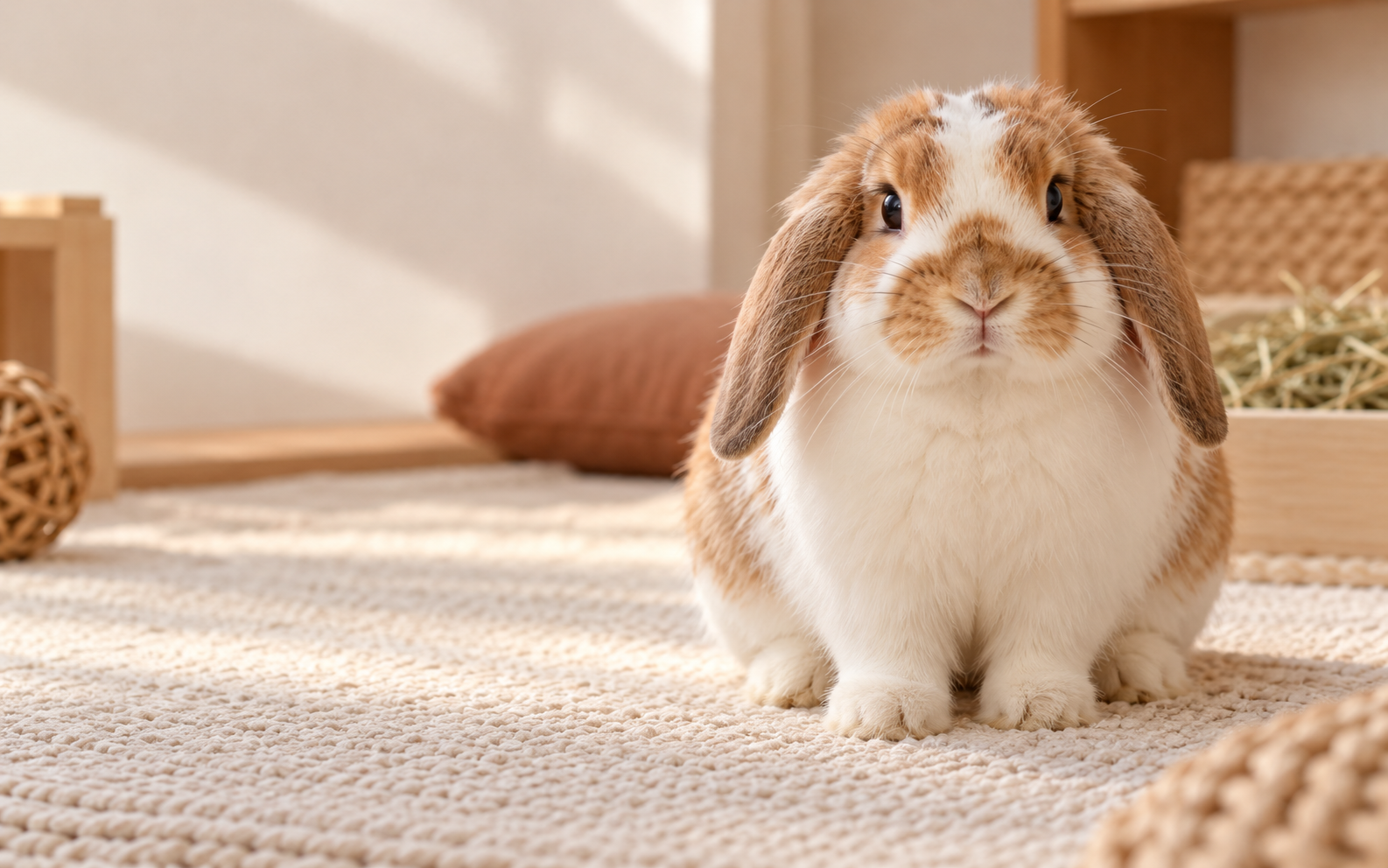
Hamster bedding has two jobs: it absorbs waste and, just as importantly, gives the hamster enough material to dig and build stable burrows. In a small home, owners are often tempted to use a shallow layer to reduce mess, but depth is part of the animal’s environment, not optional decoration. The most practical setup is a deep, low-dust substrate in a large enclosure with one clearly defined area for spot cleaning.
Burrowing matters
Hamsters naturally dig and create tunnel systems. Bedding should be deep enough in at least a substantial part of the enclosure for the animal to disappear below the surface and shape a nest. Exact recommendations vary by species and welfare source, so check current guidance rather than relying on the shallow fill line printed on a starter cage.
A deep substrate also lets the hamster choose a darker, more insulated sleeping area.
Paper-based bedding
Unscented paper bedding is widely used because it is soft, absorbent, and usually holds tunnels reasonably well when packed gently. Choose a low-dust product without added fragrance. Very fluffy products can expand dramatically, so compare volume rather than bag weight when estimating how much you need.
White or pale bedding makes urine spots easier to see, which can simplify daily cleaning.
Aspen
Properly processed, low-dust aspen is another common small-animal substrate. It can add structure when mixed with paper bedding, although individual products vary in shaving size and dust. Avoid any bag that smells strongly musty or contains excessive fine particles.
If the hamster develops respiratory irritation after a bedding change, remove the suspect material and seek veterinary advice if signs persist.
Avoid heavily scented bedding
Fragrance is marketed to people, not hamsters. Strong perfumes do not replace cleaning and may make the enclosure unpleasant for an animal with a sensitive sense of smell. Choose unscented substrate and control odor by removing soiled areas and maintaining enough clean bedding.
Be cautious with soft “nesting wool”
Long fibers sold as fluffy nesting material can wrap around limbs or be difficult to pass if swallowed. Plain unscented toilet tissue or suitable paper nesting material is a simpler choice. Tear tissue into strips and let the hamster carry it into the nest.
How much bedding fits a small apartment?
Deep bedding requires storage space for replacement bags. Buy in a size you can keep dry rather than stockpiling many months of substrate. Compressed paper bedding can be efficient to store because it expands when opened.
A lidded storage bin keeps loose bedding contained, but the bin should be clean and completely dry before refilling.
Create a deep zone
If the enclosure allows it, build one side especially deep and use barriers or platforms to support heavy items. Water bowls, sand baths, and wheels should sit on stable surfaces rather than sinking as the hamster tunnels underneath them.
Platforms need solid supports that extend to the enclosure floor so a collapsing burrow does not bring a heavy accessory down on the animal.
Burrow stability
Paper bedding can be gently compressed by hand to help it hold tunnels. Mixing some aspen or adding layers of hay may improve structure in certain setups, but hay should be clean and appropriate for small animals. Watch whether tunnels stay open rather than continually collapsing.
Spot cleaning instead of constant full changes
Hamsters rely heavily on scent. Completely replacing every bit of bedding too often can be stressful and expensive. Remove wet, spoiled, or heavily soiled areas while leaving clean nesting material and much of the established substrate in place.
A major enclosure clean is still necessary when hygiene requires it, but routine spot cleaning usually reduces disruption.
Find the toilet area
Many hamsters choose one or two places to urinate. Check corners, the sand bath, and the nest edge. Once you identify the preferred toilet, a small scoop can remove the wet patch with minimal disturbance.
Do not dismantle the nest every day searching for a single dropping; feces are usually dry and less problematic than wet bedding.
Sand is not bedding
A sand bath supports grooming and may also become a toilet, but it should not replace the main burrowing substrate. Use a hamster-safe sand without added dust, fragrance, or calcium. Avoid fine bathing dust intended for species such as chinchillas.
Wheel placement
A properly sized wheel is heavy enough to crush a tunnel if it shifts. Place it on a platform or solid shallow zone. The hamster should be able to run with the back in a natural position, and the wheel should turn smoothly without wobbling into bedding.
Cleaning around food caches
Hamsters often store food in burrows. During spot cleaning, check caches for fresh produce that can spoil. Dry food can remain when clean, but moldy or damp food should be removed. Replace a small amount so the hamster does not respond by frantic hoarding.
Dust control in a small room
Pour bedding slowly and close doors or windows if a draft would scatter fibers through the room. A handheld vacuum can collect escaped pieces around the enclosure. If a brand releases a visible cloud of dust every time it is handled, choose a lower-dust product rather than trying to filter the room afterward.
When bedding may be causing a problem
Repeated sneezing, noisy breathing, nasal discharge, red skin, or persistent scratching deserve attention. Bedding is only one possible cause; infection, mites, and other medical problems can look similar. Change an obviously dusty or scented substrate, but seek veterinary care when symptoms continue.
Changing brands
If you switch bedding, mix some of the new material with the old clean substrate rather than replacing the entire enclosure in one day. This preserves familiar scent and lets you observe whether the hamster sneezes more, avoids the texture, or has trouble building burrows. A gradual change is especially useful when moving between very different paper or wood textures.
How to budget bedding
Deep substrate uses more volume at setup but does not necessarily mean throwing everything away every week. Spot cleaning wet areas and preserving clean bedding can make a deep enclosure economical over time. Compare price by expanded volume, not by bag weight alone, because compressed products vary widely.
Transporting bedding through a small home
Large bags can be awkward in apartments. Decant only clean dry bedding into a lidded household bin that is easy to carry, while keeping the product label and lot information until the bag is finished. Do not store substrate in damp balconies, bathrooms, or basements where it can absorb moisture.
Watch the nest without destroying it
You do not need to dismantle the sleeping chamber every day. Observe from outside for changes in odor, food accumulation, or wetness, and inspect more closely when hygiene requires it. If you must disturb the nest, return some clean familiar material so the hamster can rebuild with less stress.
Older hamsters may need easier routes
A senior hamster may burrow less deeply or become less steady on tall piles. Keep food and water easy to reach and ensure heavy accessories remain on stable platforms. Reduced activity can be age related, but sudden weakness, weight loss, or failure to emerge for food should be assessed by a veterinarian.
Paper color is mostly for the owner
Natural, white, or colored paper bedding can all work when the material is safe, unscented, and low-dust. White bedding makes urine spots easy to see, while natural colors hide small stains. Choose based on cleaning visibility and product quality rather than expecting a color to change hamster behavior.
Substrate around tunnels and hides
Partially bury a lightweight tunnel or multi-chamber hide so the hamster can connect it to self-dug burrows. Avoid placing heavy ceramic items where a tunnel collapse could trap the animal. The bedding itself should remain the main structural material.
Keep bedding away from vents
Very light paper fibers can be blown around by fans, air conditioners, or open windows. Position the enclosure where bedding stays in the habitat and the hamster is not exposed to a constant draft. This also reduces dust spreading through a small room.
Observe how the bedding performs over a month
Different products behave differently after repeated spot cleaning. Notice whether tunnels stay stable, whether the substrate becomes dusty as it breaks down, and how quickly wet areas spread. If a bedding works poorly in your enclosure, change the product rather than compensating with constant full cleanouts.
Keep a little clean old bedding during major resets
When a full clean is unavoidable, save a handful of dry, clean bedding from the established nest and mix it into the new substrate. Familiar scent helps the enclosure feel less completely new. Never preserve wet, moldy, or heavily soiled material merely for scent.
Final takeaway
For a busy household, good hamster bedding is deep, low-dust, unscented, absorbent, and capable of holding burrows. Paper bedding works well for many setups, often alone or with safe structural material. Store extra substrate neatly, spot-clean wet areas, and preserve clean established bedding so hygiene does not come at the cost of constant disruption.
Editorial reference points
- Association of Exotic Mammal Veterinarians — owner resources
- Association of Reptile and Amphibian Veterinarians
Product specifications, prices and policies can change. Verify current manufacturer documentation before purchasing, and use a veterinarian or qualified species professional when a health or welfare concern is involved.
Compare the next decision or return to the complete 290-guide library.