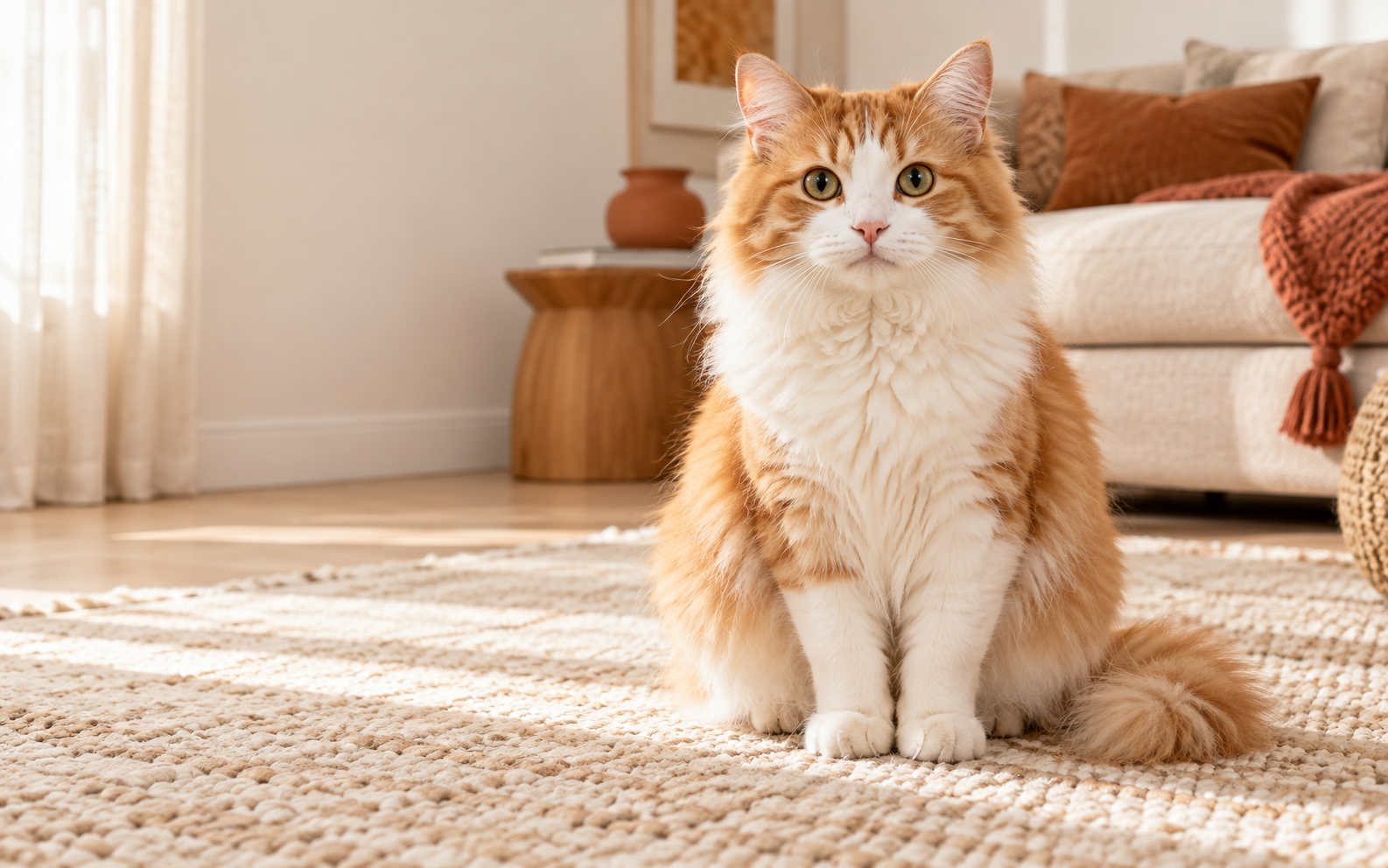
A vacuum for pet hair in a small home has to be powerful enough for fur and litter, but easy enough to store and use that it does not live permanently in the middle of the room. Motor power alone does not tell you how well a vacuum will handle pet hair. Floorhead design, brush-roll access, filtration, edge cleaning, weight, noise, and how quickly the bin can be emptied often matter more in daily use.
Start with the floor mix
List the surfaces you clean most: hard flooring, low-pile carpet, thick rugs, upholstery, stairs, or car seats. A vacuum that excels on carpet may scatter litter on hard floors, while a suction-only hard-floor model may leave hair embedded in rugs.
Choose the machine around the majority of your home, then use attachments for smaller areas.
Corded versus cordless
Cordless stick vacuums are quick to grab and easy to store, which suits small apartments. Runtime, battery replacement, and bin size are the tradeoffs. Corded uprights and canisters can run continuously and often hold more debris but take more storage space.
If you vacuum a little every day, convenience may matter more than maximum runtime.
Brush-roll design
Hair wraps around rotating brushes. Look for a brush roll that can be removed without dismantling half the machine, or a design intended to reduce wrapping. Even “anti-tangle” systems need inspection when long human hair and pet fur are present.
Hard-floor control
On wood or tile, a soft roller or suction setting that does not fling kibble and litter is useful. Check whether the spinning brush can be switched off where the flooring manufacturer recommends it.
Wheels should roll smoothly without trapping grit that scratches delicate floors.
Carpet performance
For rugs and carpet, enough agitation is needed to lift hair from fibers. Adjustable suction or floorhead height can help on thick rugs that otherwise seal to the nozzle.
Always follow rug care instructions; aggressive beater bars can damage some delicate weaves.
Upholstery tools
A small motorized or rubber-edged upholstery tool is valuable for sofas and pet beds. Test it on a hidden area first. Thin fabrics and loose loops can be damaged by aggressive rotating brushes.
Crevice tools
Hair packs into sofa seams, car-seat gaps, and between appliances. A narrow tool with enough length to reach those areas is more useful than a large collection of decorative attachments.
Filtration
Sealed filtration matters when you want the vacuum to capture fine dust rather than leak it around the housing. HEPA filters are useful for many households, but the whole system needs good seals. Check whether filters are washable, replaceable, and available locally.
A vacuum is not a medical treatment for allergies; people with significant symptoms should follow medical advice.
Bagged versus bagless
Bagged vacuums contain dust well during disposal and can hold more debris. Bagless machines avoid replacement bags but require the bin to be emptied, which can release dust. Choose based on convenience, storage, and sensitivity to debris.
Weight
A vacuum carried up stairs or lifted to clean furniture should be comfortable in one hand. Check total weight and where the balance sits. A heavy battery pack near the handle can tire the wrist even when the machine looks compact.
Noise
Some pets are frightened by vacuums. Quieter operation helps, but training and management matter too. Give the pet a safe room or elevated retreat while cleaning rather than chasing it around with the machine.
Storage
Measure the closet, wall, or cabinet before buying. Wall docks require secure mounting and access to power. Freestanding sticks can tip if leaned in a corner. Canisters need floor space for the body, hose, and wand.
Charging location
Cordless vacuums need a safe outlet where the charging cable is out of reach of chewing pets. Avoid charging beside water bowls or litter-box splash zones.
Battery replacement
Check whether the battery can be replaced without discarding the whole vacuum and how much a genuine replacement costs. Battery availability can determine whether a cordless model lasts two years or much longer.
Maintenance routine
Empty the bin, remove hair from the brush roll, check filters, and clear blockages before suction drops dramatically. Wash filters only when the manufacturer permits it and let them dry completely before reinstalling.
Inspect hoses for cracks and floorhead wheels for wrapped hair.
Filter drying time
Washable filters may need 24 hours or longer to dry. Keep a spare if the vacuum is used daily. Reinstalling a damp filter can damage the motor and create a musty smell.
Repairability
Check whether brush rolls, belts, hoses, batteries, and filters can be purchased separately. A repairable vacuum may cost more initially but can be better value than replacing the entire machine after one worn component.
Compare the whole cleaning cycle
Time a small representative task from taking the vacuum out to putting it away clean. Include changing an attachment, removing wrapped hair and emptying the bin or checking the bag. This reveals whether a lightweight model creates extra maintenance work. Look at how it reaches beneath the furniture where fur collects. The best fit is a machine you can maintain and use regularly, not only one with impressive peak suction wording.
Sources and scope
This guide offers practical selection and setup checks. It does not claim hands-on testing of named products. Follow the exact product manual for installation and care; consult a veterinarian about changes in your pet’s health or behavior.