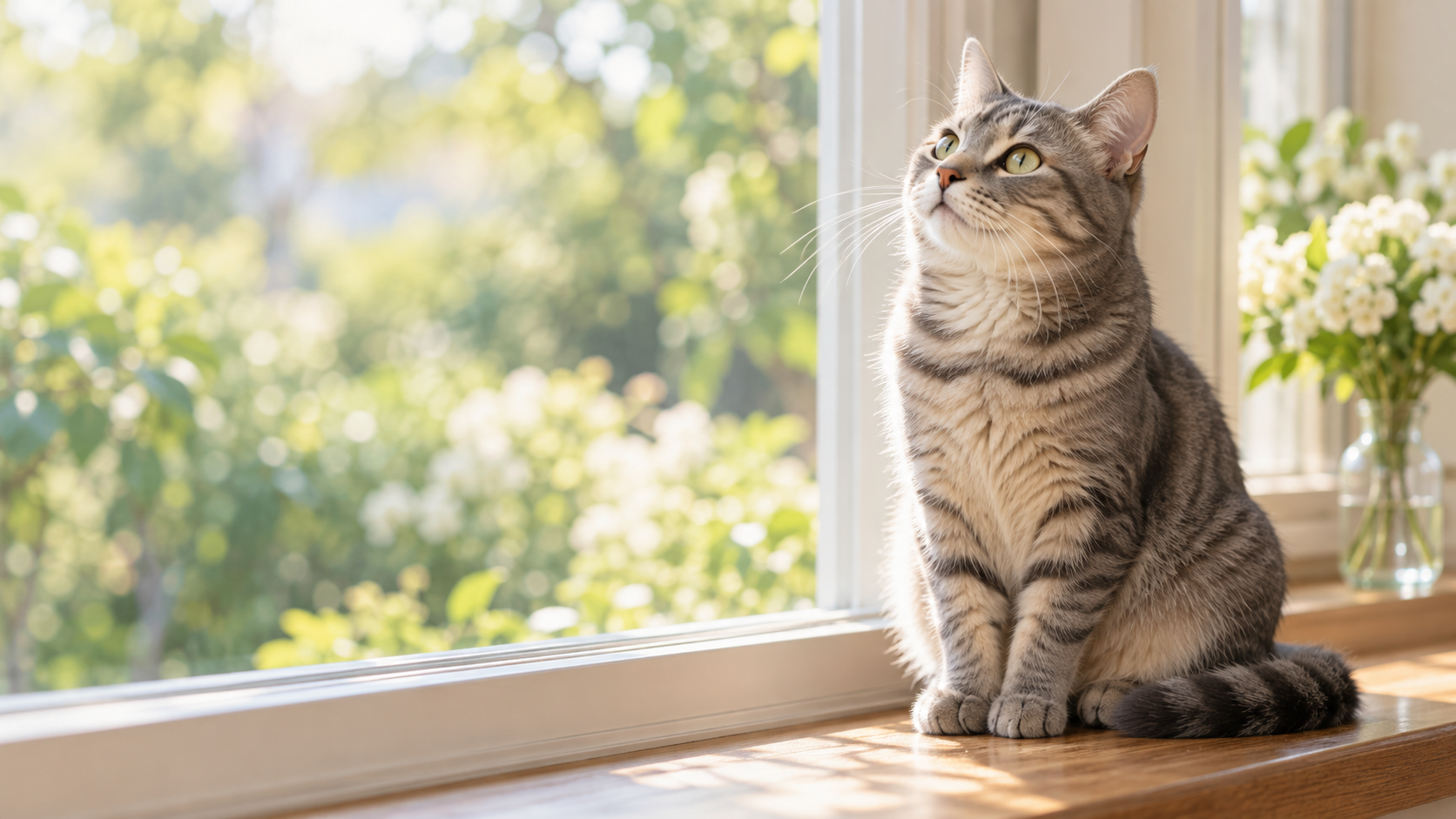
A calming space for a cat is less about buying a special product and more about creating a predictable place where the cat can rest without being cornered or repeatedly disturbed. Size, material, height, concealment, airflow, and location all influence whether a bed, box, shelf, cave, or small piece of furniture becomes a useful retreat. This guide compares those choices so you can build a practical setup for apartments, multi-cat homes, visitors, and changing routines.
Define what a calming space needs to do
Some cats want full visual cover, while others prefer an elevated shelf where they can watch the room. A nervous cat may value distance from foot traffic; a social cat may simply need a bed beside a familiar person. Start by observing where the cat already rests when the home is quiet and where it goes when something unfamiliar happens.
The goal is choice. A retreat should not function as a place where a cat is trapped or forced to stay. Provide access to normal resources and allow the cat to enter and leave on its own.
Choose size by posture, not marketing labels
A useful bed or hide should allow the cat to enter comfortably, turn around, and settle in a preferred resting posture. Some cats like a close-fitting cave; others stretch out. Measure the cat's common resting footprint rather than relying only on small, medium, or large labels.
For enclosed products, also check doorway width and height. A narrow entrance may feel secure to one cat but awkward for a larger or less mobile cat. Senior cats often benefit from lower thresholds and easier entry.
Compare open beds, caves, and cardboard boxes
Open beds provide easy access and visibility, making them useful for cats that want comfort without complete concealment. Cave beds add cover and warmth but can hold heat and odor if the material is difficult to wash. Cardboard boxes are inexpensive, replaceable, and often immediately accepted because they provide simple walls and familiar texture.
There is no reason to replace a cardboard box with an expensive bed if the cat clearly prefers the box. Instead, make sure the box is clean, dry, structurally sound, and placed where it will not be kicked or crushed.
Compare fleece, plush, cotton, and washable covers
Soft synthetic fleece and plush fabrics can feel warm and comfortable, but thick pile may hold hair and take longer to dry. Cotton covers can be easier to wash but vary in durability. Removable covers simplify routine cleaning because the inner cushion does not need to be soaked every time.
Check seams, zippers, and loose threads. Cats that chew fabric or knead aggressively may expose filling over time. Any damaged bed should be repaired or replaced before stuffing becomes accessible.
Use firmer surfaces for some senior cats
Older cats may prefer a supportive surface that is easy to step onto rather than a deep, unstable cushion. A low platform with a washable pad can be easier to access than a soft cave with a high rim. Observe whether the cat hesitates, slips, or struggles to rise.
Comfort needs can change. A bed that worked for years may become less useful if mobility changes. Place resting options on the same level as important resources when stairs or jumping become difficult.
Consider height as part of the retreat
Vertical space can make a small home feel larger to a cat. A secure shelf, window perch, or cat-tree platform may provide distance from dogs, children, visitors, or household activity. The structure must be stable and accessible without a risky jump.
Height should not be the only option. Provide a ground-level retreat as well, especially for kittens, seniors, or cats recovering from an injury. Multiple levels give the cat control over where to rest.
Place the retreat away from predictable disturbances
Avoid putting the only calming space beside a washing machine, frequently slammed door, busy hallway, or loud speaker. A location can look quiet during setup but become stressful at certain times of day. Watch the household pattern before choosing a permanent spot.
In a small apartment, even a few feet can matter. Turning a covered bed so the opening faces away from traffic or placing a box behind a chair can create more visual separation without taking extra floor space.
Keep food, water, and litter relationships sensible
A resting space does not need to be far from every resource, but avoid forcing the cat to sleep directly beside a litter box or in a narrow route where another cat can block access. Food, water, litter, scratching, and rest areas should be arranged so the cat can move between them without conflict.
In multi-cat homes, duplicate important resources in different locations. One beautiful retreat is less helpful if another cat regularly controls the path to it.
Plan for multi-cat households
Cats sharing a home may rest together at times and seek separation at others. Provide more resting options than there are cats, including both open and concealed choices. Spread them across rooms or zones instead of clustering every bed in one corner.
Watch for subtle displacement. If one cat leaves whenever another approaches, add another retreat with a different route of access. The objective is to reduce competition, not to make every cat use the same product.
Use scent continuity during changes
A familiar smell can help a new resting place feel less unfamiliar. Move a clean but familiar blanket or pad into the new location rather than washing every item at once. If you replace a worn bed, keep one familiar textile nearby during the transition when practical.
Avoid strong fragrances around resting areas. Heavy scent can make a product less appealing and may obscure the cat's own scent cues. Clean for hygiene while preserving some continuity.
Keep the space easy to clean
Calming spaces need routine maintenance like any other pet area. Vacuum hair, shake out loose debris, wash removable covers, and inspect for dampness, fleas, pests, torn fabric, or exposed foam. Cardboard should be replaced when soiled or structurally weak.
Do not deep-clean every retreat on the same day unless necessary. Rotating cleaning preserves familiar options and prevents the cat from suddenly losing all of its scent-marked resting places.
Adjust warmth without creating a hot trap
Cats often seek warm resting places, but an enclosed bed can become much warmer than the surrounding room. Consider sunlight, radiators, heated floors, and seasonal changes when choosing a location. The cat should always be able to leave the retreat and choose a cooler surface. Avoid placing a covered bed directly against a heat source simply because the location seems cozy during winter.
If you use a warming product designed for pets, follow its instructions and inspect it regularly. Do not add improvised electrical heating inside a hide. A low-tech alternative such as a fleece layer or a bed positioned away from drafts may provide enough comfort while remaining easy to monitor.
Compare openness before buying another bed
Offer a simple open resting surface and a safe covered option in suitable quiet locations. Watch where the cat settles when no one is interacting with it. The preferred option may change with household activity or temperature. Keep the choices stable for a while instead of repeatedly moving them to encourage use. If a previously sociable cat suddenly hides for long periods or changes eating behavior, seek advice rather than treating the retreat as the whole solution.
Sources and scope
This guide offers practical selection and setup checks. It does not claim hands-on testing of named products. Follow the exact product manual for installation and care; consult a veterinarian about changes in your pet’s health or behavior.