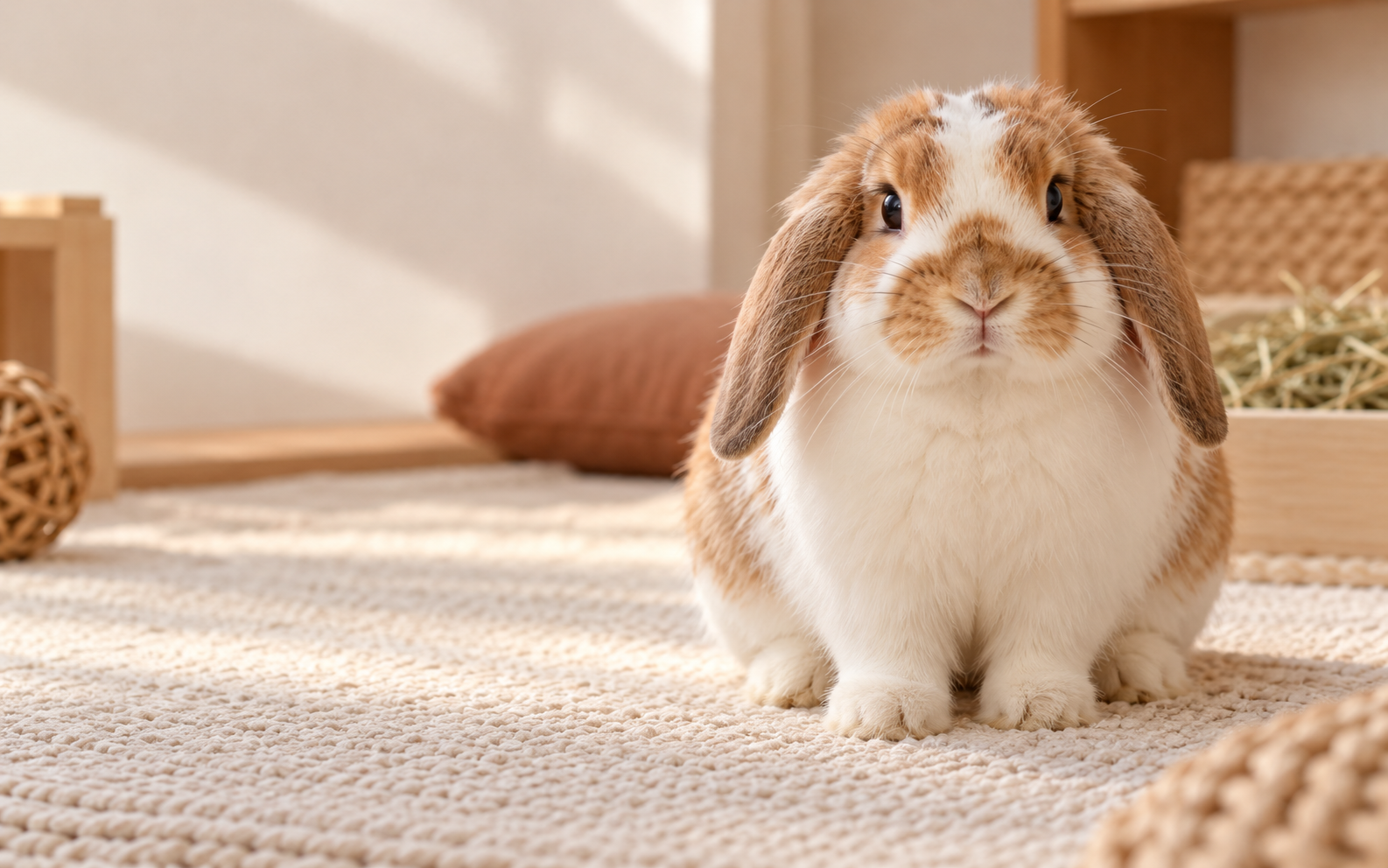
A good guinea pig home is built around floor space, social companionship, constant hay, clean bedding, safe hiding places, and a predictable routine. Guinea pigs are not animals that thrive in a tiny cage simply because they are small. They need room to walk, run, rest apart from one another, and reach food without conflict. Start with the enclosure footprint and the number of guinea pigs, then add furnishings without crowding the usable floor.
Guinea pigs are social animals
Most guinea pigs benefit from living with a compatible companion of the same species. Pairing needs to consider sex, neuter status, temperament, and introduction technique. Housing a guinea pig alone should not be treated as the default simply because a smaller cage is easier to fit.
If you are uncertain about pairing, ask an experienced rescue or exotic-animal veterinarian for guidance.
Prioritize floor space
Guinea pigs use horizontal space much more than vertical climbing structures. Large uninterrupted floor area allows short bursts of running and gives each animal options for moving around a companion. Multi-level cages can add interest but should not be used to compensate for an undersized main level.
Choose enclosure dimensions using current welfare guidance appropriate to your country and the number of animals.
Choose a solid floor
Wire flooring can injure feet and should not be the main walking surface. Use a solid base covered with appropriate bedding or a well-managed fleece system. The floor should be dry, supportive, and easy to clean.
Check feet regularly for redness, swelling, or sores, especially in older or overweight guinea pigs.
Bedding options
Paper-based bedding is absorbent and easy to spot-clean. Aspen products are also used by some owners when they are dust-controlled and appropriate for small animals. Fleece liners are reusable but require an absorbent layer underneath and frequent laundering.
Avoid strongly scented bedding and any material known to be unsafe for small-animal respiratory health. Whatever you use, replace wet areas promptly.
Hay should always be available
Appropriate grass hay supports digestion and normal tooth wear. Provide a generous supply in a safe rack, bag, or feeding area where the guinea pigs can reach it at all times. Hay should smell fresh and remain dry.
Do not use a tiny decorative hay holder that empties for long periods between checks.
Food bowls and pellets
Use a stable bowl that cannot be tipped easily. Feed a guinea-pig-specific pellet according to current veterinary or manufacturer guidance, and keep portions appropriate to the animals’ needs. Pellets are not a replacement for hay.
Vitamin C requirements are important in guinea pigs because they cannot synthesize the vitamin themselves. Discuss diet and supplementation with an exotic-animal veterinarian rather than adding products randomly to water.
Fresh vegetables
Offer suitable fresh vegetables as part of a balanced diet, introducing new foods gradually. Wash produce and remove spoiled leftovers. Some vegetables are higher in calcium, sugar, or other nutrients and are better fed in moderation.
For a detailed feeding plan, especially for a guinea pig with urinary, dental, or weight problems, seek veterinary advice.
Water
Provide clean fresh water at all times. Bottles keep water off bedding but can leak or clog, so check flow daily. Some guinea pigs use bowls successfully if they are heavy and kept clean. In groups, more than one water point can reduce competition.
Every guinea pig needs a hiding option
Provide at least one shelter per animal, ideally with more than one entrance when animals share the space. Single-door hides can allow one guinea pig to trap another. Tunnels, fleece forests, and cardboard boxes can add variety when they are safe and large enough.
Place hides so there are still clear running routes through the enclosure.
Chewing and enrichment
Guinea pigs explore by chewing. Offer safe cardboard, hay-based toys, tunnels, and approved chew items. Rotate simple enrichment rather than filling the cage with plastic objects. Scatter a portion of vegetables through hay or use cardboard tubes stuffed loosely with hay to encourage foraging.
Temperature and location
Place the enclosure away from direct sun, radiators, cold drafts, smoke, and kitchen fumes. Guinea pigs are sensitive to heat, and overheating can become an emergency. Indoor housing makes temperature and observation easier in many climates.
Keep the cage where the animals can experience normal household activity without being exposed to constant noise or disturbance.
Protect from other pets
Dogs and cats can frighten or injure guinea pigs even when they appear curious rather than aggressive. Use a secure enclosure and supervise any time species share a room. Do not allow a cat to sit on a flimsy cage lid or a dog to paw at the sides.
Spot cleaning
Remove wet bedding, droppings in heavily used areas, and spoiled food every day. Kitchen or hay zones often need more frequent attention. A clean enclosure should smell mostly of hay, not strong ammonia.
Frequent small cleaning sessions are easier on a busy schedule than waiting for the entire cage to become dirty.
Full cleaning
How often a complete change is needed depends on enclosure size, bedding, and the number of animals. Move the guinea pigs to a secure temporary area, remove furnishings, clean the base with an appropriate product, rinse when required, and dry before adding fresh bedding.
Wash fleece and fabric items without strongly perfumed residues that may irritate sensitive animals.
Health observations
Weigh each guinea pig regularly using a kitchen scale and keep a simple record. Weight loss can be an early sign of illness. Also watch appetite, droppings, breathing, eyes, nose, coat, feet, and movement.
Guinea pigs can deteriorate quickly when they stop eating. Reduced appetite, breathing difficulty, marked lethargy, or other sudden changes require prompt veterinary attention.
Nail and coat care
Check nails regularly and trim them before they curl into the foot. Long-haired guinea pigs may need combing and trimming around the rear to prevent matting and urine contamination. Ask a veterinarian or experienced professional to demonstrate nail trimming if you are not confident about the blood vessel inside the nail.
Handling and lifting
Support the chest and hindquarters every time you lift a guinea pig. Never pick the animal up by the legs or scruff. Many guinea pigs are prey animals and may run when hands approach from above, so corner them gently with a tunnel or hide rather than chasing them around the enclosure.
Travel carrier
Keep a secure ventilated carrier available for veterinary trips and emergencies. Line it with a non-slip absorbent layer and provide hay during longer journeys when appropriate. The carrier should be large enough for the animal to turn but compact enough to remain stable in the vehicle.
Pairs still need individual observation
When two guinea pigs live together, one can appear healthy while quietly eating less than the other. Weigh animals separately and watch who reaches hay, water, and vegetables. A drop in one animal’s weight can be missed if you judge the pair only by how quickly the shared food disappears.
Plan the enclosure before buying furniture
Large hides, ramps, and decorative kitchens can consume valuable running space. Place the essential litter or hay zone and hides first, then step back and check whether the animals still have a clear route around the enclosure. Empty floor is not wasted space; it is where normal movement happens.
Floor time outside the main enclosure
A large enclosure reduces dependence on exercise sessions, but supervised floor time can still add variety. Rabbit-proof or guinea-pig-proof the area first: block cords, gaps under furniture, stairs, and access to other pets. Use tunnels and cardboard hides so the animals do not feel exposed.
Seasonal room changes
Sun angle and heating systems can change the temperature around the cage between summer and winter. Recheck direct sunlight, drafts, and nearby radiators each season rather than assuming the original location remains ideal all year.
Care records
Keep weights, veterinary visits, medications, and diet notes in one simple file. In a pair, label each animal clearly. Records are particularly useful when appetite or weight changes gradually and different family members share daily care.
Quiet time
Guinea pigs need predictable periods when they are not being handled. Place the enclosure where they can hear normal household life without constant touching, shouting, or sudden movement at cage level. Teach children to sit nearby and offer food gently instead of repeatedly lifting the animals. A well-designed home includes the ability to retreat and rest.
Enrichment should stay simple
Paper bags with handles removed, cardboard tubes slit lengthwise, tunnels, and small forage piles can add variety without taking over the enclosure. Rotate one or two items at a time and keep clear running routes. Guinea pigs often value safe hiding and food-searching opportunities more than complicated toys.
Final takeaway
A guinea pig home should provide generous floor space, companionship, solid flooring, abundant hay, clean water, multiple hides, and a routine that keeps bedding dry. Build the enclosure around natural movement and social needs rather than filling a small cage with accessories. Daily observation and access to an exotic-animal veterinarian are just as important as the equipment.
Editorial reference points
- Association of Exotic Mammal Veterinarians — owner resources
- Association of Reptile and Amphibian Veterinarians
Product specifications, prices and policies can change. Verify current manufacturer documentation before purchasing, and use a veterinarian or qualified species professional when a health or welfare concern is involved.
Compare the next decision or return to the complete 290-guide library.